

Headline:
Understanding the New EU SFDR: Its Impact on Ethical Businesses and Sustainable Fashion
Introduction:
Global rules on sustainability move fast. At Design Delight Studio, we track each change closely. We use this clear information to boost our work in transparency, ethical production, and eco-certification. The European Commission now proposes changes to the Sustainable Finance Disclosure Regulation, or SFDR. This new rule cuts greenwashing and makes disclosures simple. Although SFDR mainly addresses finance, its effects reach other fields too—like sustainable fashion built on organic and recycled materials and clear eco-labels.
What is the SFDR? A Quick Overview
SFDR is an EU regulation that started in 2021. It forces financial firms to share how they use Environmental, Social, and Governance factors. The aim is to be transparent and to stop false sustainability claims. Over time, many have found the rules hard, heavy, and overlapping with other laws.
The latest update from November 2025 cuts through the complexity. It makes SFDR easier to use and works with other laws like the Corporate Sustainability Reporting Directive. This move helps to boost growth and reduce needless complexity.
Key Changes Proposed in the SFDR Revision
1. Removal of Entity-Level Principal Adverse Impact Disclosures
Firms now must share how their whole business affects sustainability. The new plan drops this broader report. It cuts extra work by about 25% and focuses only on how each product does.
2. Streamlined Disclosure Requirements
The revision calls for shorter, simpler reports. New templates will have fewer and more focused indicators. This helps investors compare products quickly and clearly.
3. Narrowed Scope of Application
The change skips financial advisers and portfolio managers. It makes the rules apply only to main product providers with direct sustainability claims.
4. Elimination of the “Sustainable Investments” Concept
The new plan drops the term “sustainable investments” and linked ideas like “do no significant harm” and “good governance.” This clear-cut approach shows which products are truly sustainable.
5. Introduction of Three Clear Product Categories
The Commission now sets out three distinct types:
- Transition Category (Article 7): This group is for investments in companies that are on a clear path toward sustainability. They must set measurable environmental and social aims. Companies in harmful sectors, like tobacco or coal power without a phase-out plan, are left out.
- ESG Basics Category (Article 8): This covers products that include ESG factors without a heavy transition or sustainability focus.
- Sustainable Category (Article 9): This is for products with a clear, dedicated sustainability goal, usually following the EU Taxonomy for eco-friendly activities.
These categories also ban risky or controversial investments and set limits—for example, 70% of investments must fit the category.
Why the SFDR Revision Matters Beyond Finance
SFDR may seem far from ethical fashion, yet it supports a global push for clear, honest claims. For brands like Design Delight Studio, the message is strong: avoid greenwashing and use trusted eco-certifications.
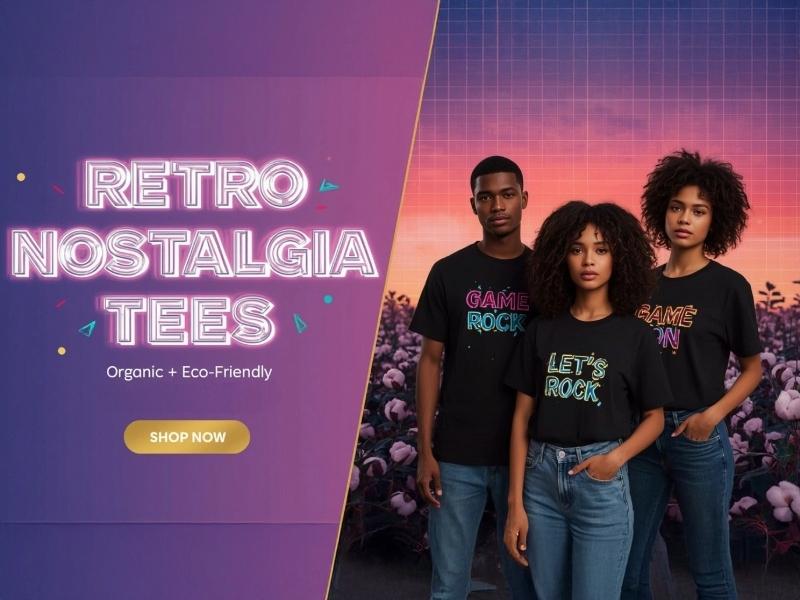
In our shop, each tee and sweatshirt is made on order with organically grown cotton that meets the Global Organic Textile Standard (GOTS). This trusted label means high standards. The EU’s move to simplify and align rules mirrors what we do every day. We source quality materials, work with eco-printers who use water-based inks, and ship in recyclable packaging. Learn more about our certifications here.
Likewise, SFDR’s clear product details meet growing consumer demand for simple information. We show this on our Sustainable T-Shirt Collections page, where sustainable material and creative design come together.
SFDR and the Circular Economy: Shared Goals for a Sustainable Future
Both the new SFDR rules and our methods support a circular economy. We design products to last, cut waste, and let materials spin safely through the ecosystem. The Transition Category funds firms on a clear path to sustainability—just as we support long-lasting organic fashion and recycled sweatshirts. We also steer clear of chemicals, synthetics, and harmful practices. This connection assures that true sustainability matters across all fields.
Moving Forward: What We Can All Do
The SFDR update reminds us that clarity and truth are key for sustainability claims. Businesses must use trusted certifications and clear disclosures. This builds trust and reduces greenwashing, while consumers gain the power to demand honest products.
At Design Delight Studio, we see this as a chance to grow and teach. We encourage you to visit our New Arrivals. Each piece shows our commitment to eco-friendly and creative fashion.
Closing Thoughts: Embrace Transparency and True Sustainability
The EU’s revised SFDR increases clarity and trust in ESG claims. Even though its original focus is on finance, the impact is global. All sectors are pushed to be clear, honest, and truly sustainable.
For us at Design Delight Studio, these changes fit our mission: ethical fashion made with organic materials, responsible practices, and honest storytelling. Explore our certified designs and see what slow, mindful fashion can be in real life.
Explore our commitment to eco-conscious apparel and certifications: Certifications | Sustainable T-Shirts | New Arrivals
Design Delight Studio curates high-impact, authoritative insights into sustainable and organic product trends, helping conscious consumers and innovative brands stay ahead in a fast-evolving green economy.









0 comments