

Why Sustainability is Still Hard to Find in Online Retail — and How We Can Change That
Online shopping grows. Consumers face the challenge of not seeing sustainable options. The German Environment Agency (Umweltbundesamt, UBA) finds that green products hide on popular sites. This study shows that eco-friendly choices stay far from the shopper’s view. At Design Delight Studio, we know that clear signals and trust guide buyers. We are a certified sustainable Shopify brand that builds transparency and sound production. Let’s look into why sustainability stays out of sight and how smart design can bring it forward.
The Digital Marketplace Blind Spot for Sustainability
UBA states that even when awareness rises, sustainability plays a small role in everyday online shopping. Buyers pick products based on price, ease, and fast delivery because:
-
Platforms push new and impulse buying.
Algorithms link cheap prices with new items. They steer buyers toward frequent buys instead of durable, repairable, or second-hand goods. -
Sustainability details hide inside.
Websites add eco-certifications or product origins as extra notes. These details rarely appear when buyers choose products. -
Filters for green standards are few.
Few stores let customers sort by ethical marks like GOTS or by item lifespan. Buyers must dig deeper to spot green choices. -
Circular options rarely join the list.
Second-hand, repair, or sharing offers stand apart from main items. This separation keeps green products out of the buyer’s immediate view. -
Structural gaps hurt reuse.
High repair costs and doubts on used quality stop buyers from picking circular options. New items come with better guarantees, which further limits reuse.
How Online Shopping Platforms Can Shift Toward Sustainability
The UBA report points out that online stores can change habits if they adjust key parts. Shops can help green products emerge by:
-
Showing clear links in algorithms.
Policymakers in the EU push ideas like the AI Act to force platforms to factor in sustainability. This change would link eco-friendly goods with fair exposure. -
Putting product facts in plain sight.
Product lists should show green materials, certifications, and repair ratings up front. This clarity helps buyers choose without extra research. -
Blending circular offers with new items.
Sites can list second-hand, refurbished, and sharing options side by side with new goods. Unified standards and clear return policies build buyer trust. -
Making repair easy.
Buyers should find repair services as quick links. Affordable and integrated repairs extend item life and cut waste.
The Connection to What We Do at Design Delight Studio
At Design Delight Studio, our daily work mirrors these ideas. We put eco details in the front. On our Shopify store, organic and recycled materials shine clearly on every product page. We use GOTS-certified cotton and water-based inks. Each item is made to order with care for minimal waste. This way, buyers see green choices without a long search.
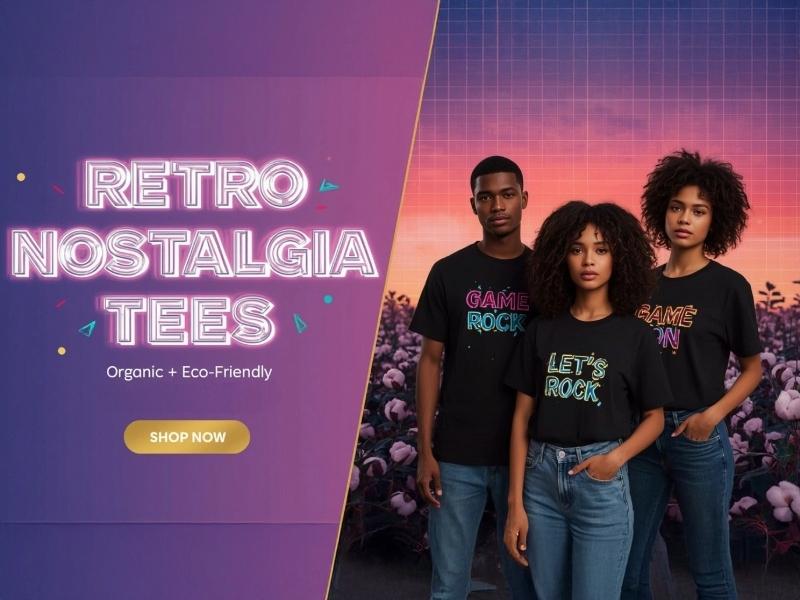
Our site shows certification links like UBA asks for. For example, our certifications page tells the eco standards in plain words. Our curated sustainable t-shirt collections give buyers the best in organic fashion. We blend art-inspired design with ethical fabrics to slow the fast pace of regular fashion. Here, small businesses lead by offering clear, sustainable choices.
Why This Matters for Your Online Shopping Habits
It can feel tough when green options hide in a large store. Studies like UBA’s remind us that both platforms and buyers can change this trend. You can help by:
-
Choosing shops that show eco marks and product origins.
(For example, visit our new arrivals for fresh, clear styles.) -
Using filters for materials and certifications when you can.
Ask stores for these options if they are not there. -
Exploring second-hand and refurbished markets with trust.
Look for shops with clear return rules and quality marks. -
Supporting brands that add repair services or green alternatives.
Your choice helps these brands grow and reach more buyers.
Toward a More Sustainable Digital Shopping Future
The issue is clear. Without clear, trusted details, sustainability stays hidden among fast, cheap products. But with new rules and rising demand, online retail can become a tool for green consumption. This change brings more than just impulse buys—it brings care for our world.
For a small brand like Design Delight Studio, this change is a chance to shine. We champion slow, thoughtful fashion that uses organic cotton and recycled fibers. Our items come with strict eco standards and recyclable packaging. Our collections reduce online clutter and stress values that last longer than trends.
Discover our certified sustainable designs and see real slow fashion in action. Every mindful purchase makes a digital market where sustainability is the norm, not a rarity.
Discover how clear eco marks, ethical materials, and art-inspired apparel mix in our online store’s sustainable t-shirt collections, new arrivals, and our promise of trusted quality.
Learn more about our certifications | Shop sustainable tees | Browse new arrivals
Design Delight Studio curates high-impact, authoritative insights into sustainable and organic product trends, helping conscious consumers and innovative brands stay ahead in a fast-evolving green economy.









0 comments