

I remember when I stood in a small print shop years ago. I watched a traditional offset press roar to life. The plates were inked. The dampening rollers soaked in fountain solution. The operator wiped sweat and a light mist of chemicals from his face. The prints looked good. Yet the smell of solvents and the sight of waste water told another tale.
Now the scene has changed. The same operator shows me his new waterless printing setup with pride. The press works quietly. The air stays clean. The first sheets are crisp and vibrant. Not one drop of water touches them. His words remain with me:
“I thought eco‑friendly printing would cost me more. Turns out it’s saving me money and headaches.”
This guide explains what waterless printing is, shows why it lowers costs, lifts quality, and cuts waste, and helps you decide if it fits your project or print business.
What Is Waterless Printing?
Waterless printing uses offset methods without a water‑based dampening solution. Instead of balancing water and ink, waterless pressing uses three things:
- Silicone‑coated plates that push ink away in non‑image parts
- Special inks that have a higher viscosity
- Precise control of temperature to keep ink flow steady
No fountain solution means fewer variables and fewer environmental issues than traditional offset. Traditional methods use alcohol‑based dampeners, create waste water, and emit VOCs from solvents.
The U.S. Environmental Protection Agency says that print operations create many volatile organic compounds and other pollutants when using conventional methods (EPA – Pollution Prevention for Printers). This fact drives many print shops to explore waterless offset as a cleaner choice.
Why You’ll Love It
- Sharper detail and richer color – The absence of water stops ink from diluting. It reduces dot gain and gives you tight halftones, deep solids, and clear fine‑line images.
- Faster makeready, less waste – You do not chase a balance between water and ink. This cuts test sheets, speeds up color stability, and saves paper.
- Cost savings over time – Plates and inks may cost more. Yet lower waste, fewer reprints, and less downtime make up the cost in many jobs.
- Stronger environmental story – Without a dampening solution, there are fewer VOCs and chemicals. This helps meet sustainability goals.
- Consistent quality on long runs – With no water balance to fight, colors stay steady over long runs and many shifts.
- Better performance on coated and non‑porous stocks – Waterless inks sit cleanly on some substrates. That is ideal for high‑end brochures, packaging, and labels.
How Waterless Printing Works (In Plain Language)
To see why waterless printing behaves differently, compare it to conventional offset:
Conventional Offset
- A metal plate attracts ink on the image areas and water on the non‑image areas.
- A dampening solution (water plus additives) keeps non‑image spots ink‑free.
- Operators adjust ink and water continuously. Too much water washes out color; too little causes toning or scumming.
Waterless Offset
- A special plate with a silicone coating pushes ink away from non‑image areas.
- No water is used. Ink stays only where the silicone is removed.
- Temperature controls the ink flow, not water balance.
The result is fewer variables, less need for operator tweaks, and more consistent, high‑resolution prints.
Style It Your Way: Where Waterless Printing Shines
Waterless printing is a premium tool in your production kit. It works best when color, clarity, and sustainability are key.
High‑End Marketing & Brand Materials
- Luxury brochures and catalogs – Fine textures, clear photos, and small type appear without muddy shadows.
- Identity systems – Letterheads, business cards, and folders hold consistent colors even in long runs.
- Direct mail – Vivid, tactile pieces drive high response rates and feel premium.
Packaging & Labels
- Cosmetics and personal care – Sharp color and clear whites help packages stand out on shelves.
- Food & beverage labels – Reduced chemical use and stable color attract eco‑friendly brands.
- Short‑run specialty packaging – Get offset quality without constant adjustments. This cuts setup time and spoilage.
Creative & Everyday Print Projects
- Photo books and art prints – Capture subtle gradients and fine lines in photos and art.
- Event collateral – Programs, invitations, and signage show consistent brand colors and a low‑waste story.
- Corporate reports – Print CSR and environmental reports with fewer chemicals and waste.
If you are a print buyer, designer, or press operator, you win with high‑impact visuals and low environmental impact.
Eco Matters: Why Waterless Printing Is a Sustainability Upgrade
Environmental claims can confuse. With waterless printing, many green benefits come built in:
No Dampening Solution = Less Chemical Use
- You eliminate fountain solution and often alcohol‑based additives entirely.
- This creates no contaminated waste water and cuts VOC emissions.
Lower Makeready Waste
- You hit the target color faster, so you use fewer test sheets.
- Lower waste saves embodied energy, water, and raw materials.
Cleaner Working Environment
- Operators face less exposure to solvent‑based mist.
- There are fewer chemical steps in handling.
When you choose a print provider, look for one who uses waterless printing along with eco‑friendly materials and solid certifications. Pair waterless technology with certified organic or recycled substrates and low‑impact inks. This combination multiplies environmental savings.
Learn more about materials and processes on our pages. Check out Environmental Impact of Cotton: Your Questions Answered and our Organic Promise page. The same clear ideas apply to print: clean inputs and clean processes lead to lower total impact.
Want to see how standards handle environmental care? Visit our Certifications page. Here, we show how we use transparency, traceability, and low‑waste production methods.
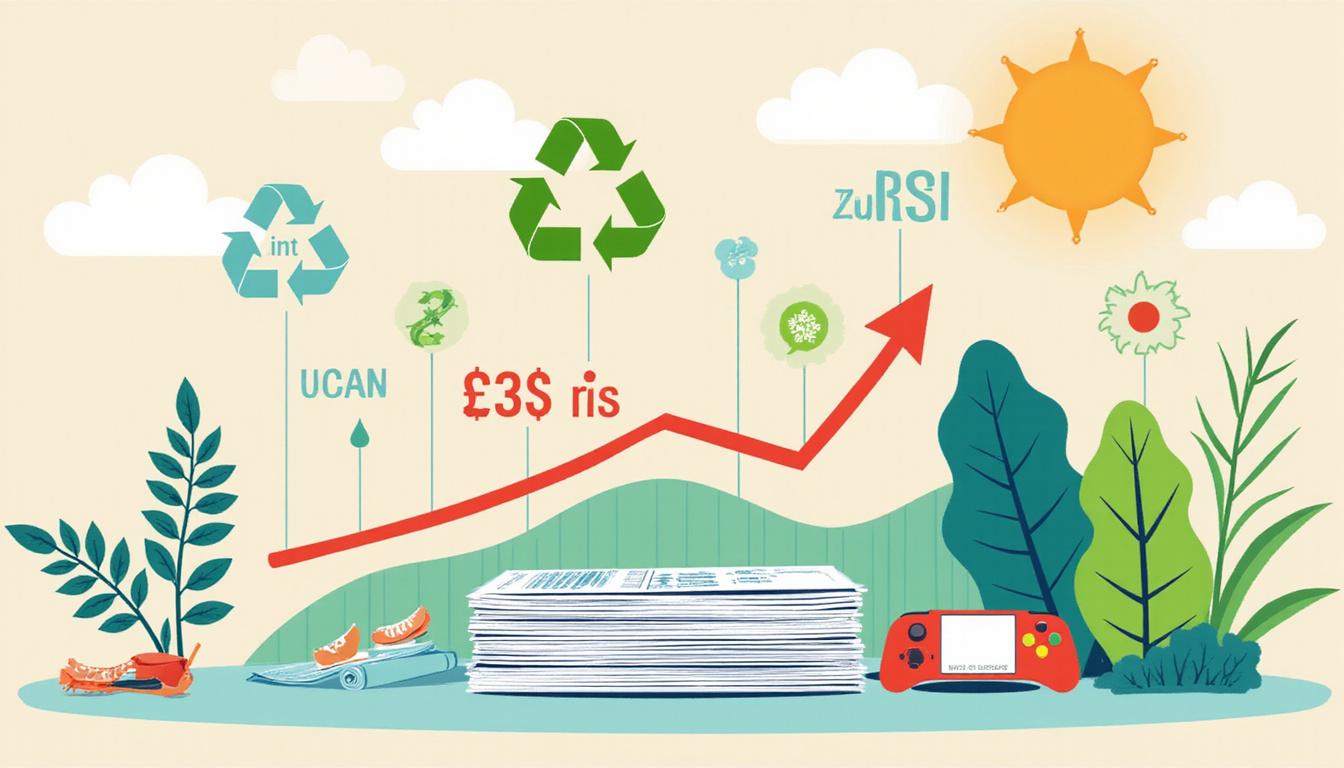
Key Benefits at a Glance
- Quality: Higher resolution, smoother gradients, reduced dot gain, and sharper text.
- Consistency: Less sensitivity to pressroom humidity and fewer operator tweaks.
- Environment: No fountain solution, fewer chemicals, and less paper waste.
- Economics: Lower waste and rework may balance higher plate and ink costs.
FAQs About Waterless Printing
1. Is waterless printing more expensive than conventional offset?
Yes, waterless consumables cost more per plate and per kilogram of ink. However, many printers see that:
- Makeready takes less time, so you use fewer test sheets.
- Color stabilizes faster, so you waste less chasing balance.
- Reprints and quality failures drop significantly.
When you count total job costs—including paper waste, labor, and downtime—waterless printing can be cost‑competitive or even cheaper for high‑quality or color‑critical work.
2. Can I use any paper stock with waterless printing?
Waterless printing works with most stocks used in offset. This includes coated, uncoated, and some non‑porous substrates. Every press and ink set has limits, so if you plan a specialty project (for example, on very smooth synthetic material), talk to your printer early so they can test or confirm compatibility.
3. How does waterless printing affect turnaround times?
Because you do not fine‑tune water and ink, setup is faster. Color stabilizes quickly, and there is less risk of mid‑run adjustments. On short runs, this can cut total press time. If your printer has both conventional and waterless presses, they can suggest which method gives the best timeline for your job.
4. Is waterless printing “certified green” by default?
No. Waterless describes the printing process only. It is not a complete certification. However, it can help a printer reach stricter environmental standards. For a fully documented sustainability story, combine:
- Waterless printing technology
- Responsible substrates (recycled, certified, or organic where applicable)
- Transparent supplier certifications and audits
Learn about our verification process and low‑impact production on our Certifications page.
Behind the Technology: Who Waterless Printing Is Really For
Waterless printing did not come out of nowhere. It arose to solve a real problem: achieving consistent, high‑quality color without drowning the press in chemicals and waste.
In early offset printing, operators learned to read the press. They watched the balance of ink and water and tweaked the dampening system to fix toning and ghosting. As brands demanded tighter color tolerances and faster turnarounds, these old methods became strained.
Waterless printing removes one major variable—water—from the process. It replaces the chemical dance of dampening systems with temperature‑controlled ink flow and silicone‑coated plates. This method appeals to three groups:
- Press operators and print engineers who want predictable press behavior and less trial and error at makeready.
- Designers and brand managers who focus on tiny details like small type, subtle gradients, and exact brand colors across global campaigns.
- Sustainability‑minded businesses that seek real drops in chemical use and waste—not just recycled paper claims.
Simply put, waterless printing is for people who value precision and responsibility. It is not a gimmick. It is an engineering answer to production and environmental challenges.
Is Waterless Printing Right for Your Next Project?
Use this quick checklist to decide:
- Is color fidelity, sharpness, or minute detail a must?
- Do you need to cut makeready waste or boost consistency across long runs?
- Does your brand or client really care about sustainability—not just as a tagline?
- Are you ready to work with a printer who advises on the best stocks and formats?
If you answered “yes” to most questions, waterless printing is a great option. When paired with responsibly sourced materials and low‑impact practices, it can become the backbone of a cleaner, sharper, and more cost‑effective print strategy.
Ready to unite high‑quality print with a true sustainability story? See how we approach responsible materials, organic standards, and certifications on our Certifications and Organic Promise pages.
Explore our certified organic tees now at Design Delight Studio—and bring a low‑waste mindset to every printed piece you create.
Design Delight Studio is based in Boston, MA. We use certified organic cotton, water‑based inks, and recyclable packaging for every order. Free U.S. shipping. Need custom or bulk design? Contact us at designdelightstudio24@gmail.com or visit https://designdelightstudio.myshopify.com/pages/contact-design-delight-studio.











0 comments