

Low-Carbon PVC Compounds and Environmental Product Declarations: Advancing Sustainable Materials for Green Building
Sustainability drives change in many industries. The construction field now prefers eco-friendly materials. EPD-ready low-carbon PVC compounds show this change. They help us measure and share a material’s environmental impact. At Design Delight Studio, we use organic cotton and water‐based inks. This choice fits our goal for certified and sustainable products. We learn from this trend. It shows a clear path toward environmental care in product lifecycles. We use this idea in our apparel and other work.
What Are Environmental Product Declarations and Why Do They Matter?
Environmental Product Declarations (EPDs) are clear documents. They show a product’s complete environmental impact. They follow ISO rules. This check makes data such as carbon footprints, energy use, and emissions reliable.
For materials like PVC compounds, EPDs matter. Architects, builders, and specifiers use them. They match green building rules and sustainability targets. EPDs do not claim a product is perfect. Yet, they give clear data so that lifecycle assessments work well. This transparency makes the market ask for low-carbon, EPD-ready PVC compounds. Companies follow strict sustainability rules and clear product data.
Growth Drivers Behind Low-Carbon PVC Compounds
PVC stands for polyvinyl chloride. It is one of the world’s most used plastics. PVC works well and is affordable. But traditional PVC makes much carbon. Low-carbon PVC compounds aim to change that.
Recent reports show growth. Their value may rise from USD 1.4 billion in 2026 to USD 3.8 billion by 2036. This growth rate is about 10.5% per year. Regulatory pressure grows. New laws and green building rules want real carbon data. Companies also expect supply chain clarity. Projects for sustainable buildings increase. Production costs may fall with new techniques. New methods now use recycled content and renewable energy. They help reduce carbon and meet EPD rules.
Focus on Construction and Green Building
Nearly half of low-carbon PVC compounds serve the construction market. Green building projects use them mostly. Buildings call for better materials like pipes, cladding, flooring, and profiles. Many building certifications such as LEED or WELL require clear environmental data. Using EPD-ready compounds thus becomes key.
This idea makes a big change:
• Builders get clear supply chain data.
• Recycled or bio-based additives support a circular economy.
• Embodied carbon drops, which helps in net-zero work.
The building field shows efforts that also exist in apparel. For example, our organic cotton and low-impact inks show similar steps.
Balancing Cost, Certification, and Innovation — Lessons for Small Businesses
EPD-ready low-carbon PVC compounds offer important tips for small businesses. Big companies use mass production to set prices. But small innovative suppliers also flourish. They can combine cost and eco goals well.
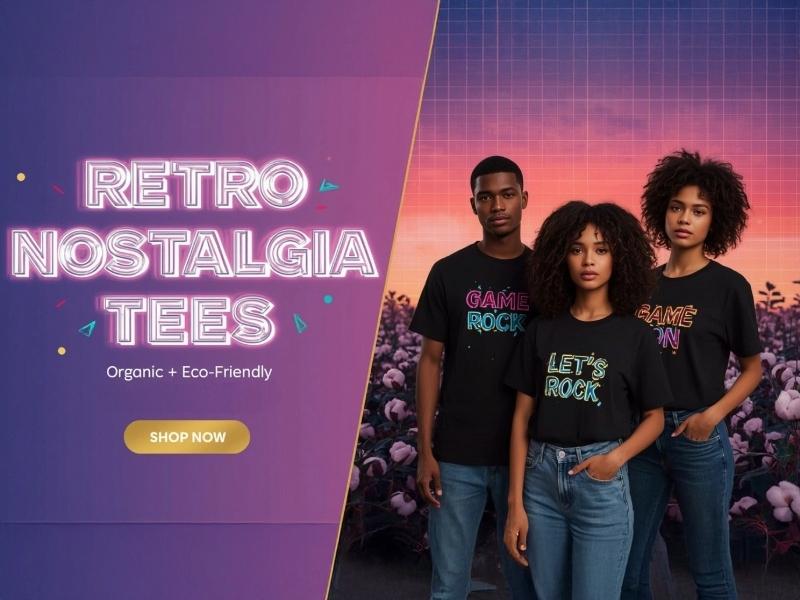
At our studio, we follow similar ideas. We align certifications like GOTS or OEKO-TEX® with fair pricing. Our made-to-order organic cotton tees use water‐based inks. We reduce waste and confirm our green claims. Consumers like clear and true sourcing.
What This Means for Sustainable Fashion and Design Delight Studio
PVC compounds and textiles are different. Yet, both need clear lifecycle data. Just as building materials use EPDs for transparency, our apparel shows our clear eco goals. We use GOTS-certified organic cotton and strict certifications.
At Design Delight Studio, eco-certifications matter. We offer eco-friendly apparel made to order with water‐based, non-toxic inks on organic fibers. Our products come in recyclable packaging. Our sustainable t-shirt collections and our certifications page show our green path.
The trend for clear, certified, low-carbon materials now spans many industries. This change affects chemicals, construction, and even artisanal apparel. Consumers and makers move toward a greener future.
Embracing Sustainable Design — A Call to Action
Today, environmental accountability is a must. Choices matter whether in building materials or in fashion. We urge you to try apparel made from GOTS-certified organic cotton. You can also support building projects that need EPD-ready materials.
Visit our new arrivals page. Our sustainable fashion shows that slow fashion and clear eco data can make a difference. Together, our buildings and clothes can help our planet stay healthy.
Design Delight Studio curates high-impact, authoritative insights into sustainable and organic product trends, helping conscious consumers and innovative brands stay ahead in a fast-evolving green economy.









0 comments