

Why Do Sustainable Brands Need 'Receipts'? Understanding the 2026 EU Green Claims Enforcement
💡 Key Takeaways
- The 2026 EU Green Claims directive requires verifiable, scientific proof (i.e., 'receipts') for every environmental statement made by brands.
- Consumer trust is shifting towards tangible certifications like GOTS and Fair Trade, prioritizing lifetime durability over fast fashion.
- Data transparency and traceability are now essential tools for navigating complex climate action accountability.
- The blending of digital data visualization and physical garment proof ('receipts') defines the future of green commerce.
The Accountability Shift: Why Receipts are the New Green Standard
The era of vague environmental statements is over. A powerful convergence of regulatory action and savvy consumer demand is forcing sustainable fashion brands to provide undeniable proof—we call them 'receipts.' The visual of swirling data and floating documents perfectly captures this moment: sustainability is no longer an aesthetic choice, but a data-driven, auditable process. Design Delight Studio embraces this shift, ensuring every claim is backed by rigorous, globally recognized certifications.
2026 Enforcement: When Green Claims Need GOTS Proof
The upcoming enforcement of the EU Green Claims directive is the biggest shakeup the industry has seen. Starting in 2026, brands operating in the EU market must scientifically substantiate every environmental claim they make—or face steep penalties. For us, this means doubling down on certifications like GOTS (Global Organic Textile Standard) and Fair Trade. These are not marketing buzzwords; they are the concrete, third-party audited "receipts" that prove our material sourcing, ethical production, and sustainable impact from seed to stitch.
The Union-Core Mandate: Quality as Climate Action
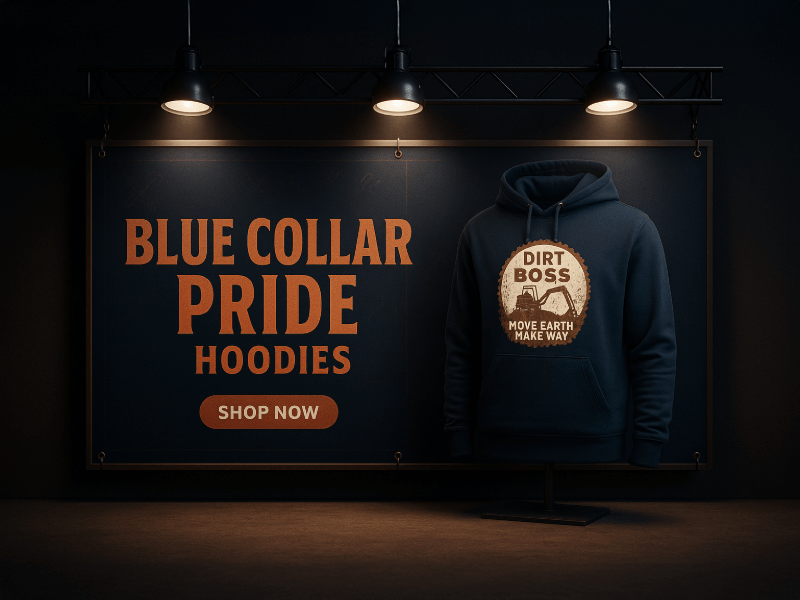
Parallel to regulatory pressure, consumer behavior is driving a 'Union-Core' aesthetic renaissance, characterized by a demand for clothing built for lifetime durability. This trend, embraced by our Blue Collar Pride community, is a direct rejection of the ephemeral nature of fast fashion. When a garment is crafted from durable, certified organic cotton, it inherently reduces consumption cycles. We view durability itself as a core component of climate action, proven by the longevity required to meet stringent GRS standards for recycled materials.
Connecting Data Transparency to Niche Communities
The reports on climate anomalies and the subsequent 'Simulation Glitch' discourse resonate deeply with our Nerd Nation and Gamer Grid audiences. They understand that transparency relies on robust, traceable data. The systems we use to track our materials—visible here as the holographic data screen—are critical to ensuring that our sustainability footprint is real, verifiable, and available for scrutiny. This commitment to truth ensures that our products maintain integrity in an increasingly complex global marketplace.








0 comments