

Why is Gen Z Choosing Skilled Trades and Sustainable 'Toolbelt' Careers?
💡 Key Takeaways
- The "Toolbelt Generation" is Gen Z's cohort prioritizing skilled vocational careers over traditional four-year degrees.
- Trade jobs offer high stability and are significantly more resistant to automation and AI displacement.
- This movement is deeply linked to sustainability, with demand soaring for durable, ethically produced workwear and gear.
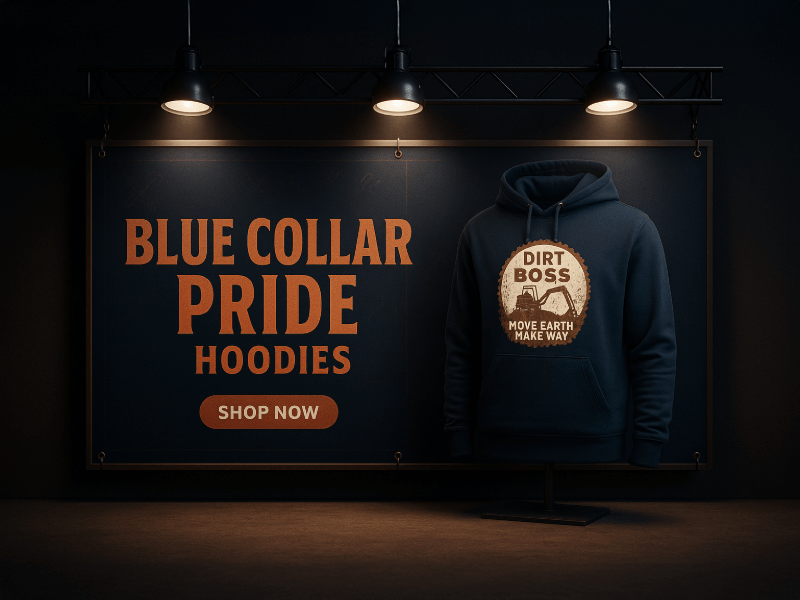
- Design Delight Studio supports this community with GOTS and GRS certified apparel in our Blue Collar Pride collection.
The Rise of the 'Toolbelt Generation'
Forget the stereotype of the disengaged youth; Gen Z is actively reshaping the economic landscape. Termed the 'Toolbelt Generation' by market analysts, this cohort is increasingly turning away from costly, volatile college paths toward high-demand, high-paying skilled trades. From electrical work and plumbing to specialized agricultural technology and renewable energy installation, these careers offer immediate returns, tangible results, and financial stability—qualities Gen Z values highly in an uncertain economic climate.
AI-Proof Stability in the Trades
One of the most compelling factors driving this trend is the realization that skilled trades are fundamentally AI-proof. While digital marketing or data entry roles face continuous disruption, jobs requiring complex physical dexterity, on-site troubleshooting, and real-world spatial reasoning remain essential human domains. This stability contrasts sharply with the precarity of many digital economy jobs, making careers in construction, mechanics, and maintenance highly desirable for long-term security.
Sustainability: Beyond the Office Tower
Gen Z doesn't compromise its values. Even while focusing on tangible work, sustainability remains critical. Modern trade workers require gear that is not only robust and safe but also ethically sourced and manufactured. This is why certifications like GOTS (Global Organic Textile Standard) and Fair Trade are increasingly important in workwear. Products using GOTS certified organic cotton or GRS (Global Recycled Standard) materials ensure environmental responsibility and superior durability, supporting careers built to last. Our Blue Collar Pride collection is designed precisely for this intersection of strength and sustainability.
Blending Tradition and Future Tech
The new blue collar worker is often an innovator. As seen in growing urban farming and sustainable infrastructure projects—like the rooftop garden visible in the image—skilled trades now encompass green technology installation and ecological design. This blend of hands-on skill and future-forward thinking defines the 'Toolbelt Generation,' creating fulfilling careers that directly address climate challenges and community needs. It's a powerful combination that Design Delight Studio is proud to celebrate.







0 comments