

How the 'Receipts Included' Mandate is Ending Greenwashing in Sustainable Fashion
💡 Key Takeaways
- New regulatory mandates are forcing brands to provide verifiable data, moving beyond vague 'green' claims.
- The consumer demand for radical transparency is merging with high-performance specs across all niche communities.
- Industrial workwear standards are shifting, prioritizing certifications like GOTS and Fair Trade for heavy-duty, long-lasting gear.
- Brands must now prove their supply chain ethics using third-party verification, making certifications mandatory, not optional.
The New Era of Truth in Advertising: 'Receipts Included'
The term 'greenwashing' is rapidly becoming obsolete, replaced by a legal and consumer mandate for absolute proof. The image of the skeptical detective, magnifying glass in hand, seeking hard facts is now a reality for every sustainable brand. Driven by recent legislation aimed at protecting consumers from misleading environmental claims, the focus has shifted from marketing storytelling to verifiable data. At Design Delight Studio, this means every piece of gear—from the Gamer Grid hoodie to the Blue Collar Pride tee—is backed by traceable certifications.
Beyond Vague Claims: Why Certifications Matter More Than Ever
Consumers are savvy; they recognize that unsupported claims about 'natural' or 'eco-friendly' fabrics hold little weight. This is where third-party certifications like GOTS (Global Organic Textile Standard) and GRS (Global Recycled Standard) become essential. These certifications provide the necessary 'receipts,' confirming compliance across the entire supply chain, from raw material sourcing to ethical manufacturing. Without this rigorous proof, modern consumers—and regulators—are simply not buying it.
Min-Maxing Ethics: Performance Meets Sustainability
The demand for proof isn't limited to the regulatory sphere. Niche communities, particularly those demanding high-spec performance gear, are applying the 'min-maxing' approach (optimizing variables for maximum output) to sustainability. For our Gamer Grid community, this translates to gear that is PETA-Approved Vegan and GRS-certified recycled material, ensuring low environmental impact without compromising comfort or durability for those marathon sessions. High ethics are now a high stat.
Heavy Duty Transparency: The Industrial Shift
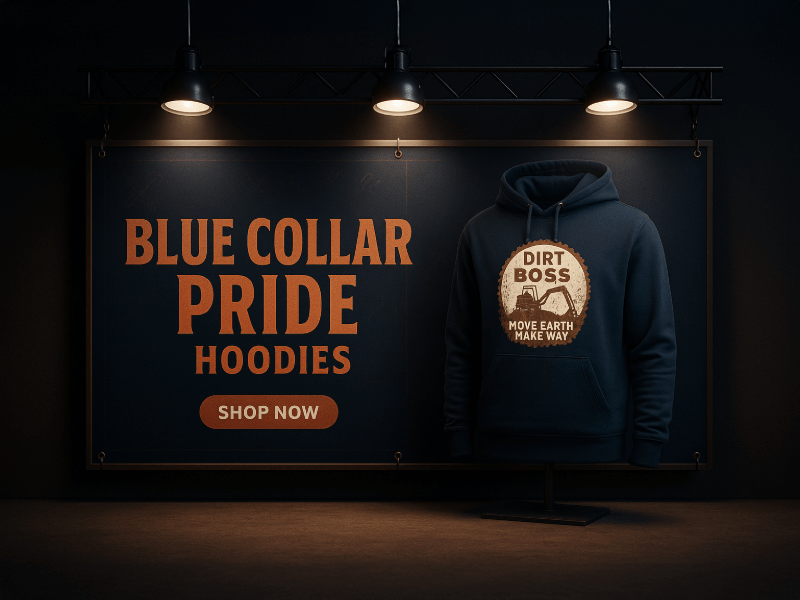
Even the industrial workwear sector (our Blue Collar Pride collection) is undergoing a major shift. Durability and long life have always been core values, but now they are intrinsically linked to sustainable sourcing. Workers are demanding Fair Trade certified goods, ensuring that the heavy-duty gear built to last their shift also guarantees fair wages and safe conditions for those who manufactured it. This commitment to transparency across all lines confirms that quality and ethics are two sides of the same coin.








0 comments