

Updated on: 2025-12-24
This article is a practical guide to building a wardrobe that aligns style with accountability. It explains how to evaluate materials, certifications, supply chain transparency, and product care so you can make confident, informed selections. You will learn how to spot greenwashing, what labels matter, and which garment habits extend product life. The guide also offers clear steps, a concise myth check, and curated product examples that demonstrate ethical fashion choices in action.
Table of Contents
- Introduction
- Product Spotlight
- Myths vs. Facts
- Frequently Asked Questions
- Final Recommendations for Ethical Fashion Choices
- Q&A Section
- About the Author
You want garments that look refined, feel comfortable, and respect people and the planet. This guide translates complex supply chain topics into simple actions you can take today. It explains what fabric data points matter, how to read labels, and how to prioritize quality over quantity. You will gain a repeatable process to evaluate brands, understand certifications, and care for clothing so it lasts. The examples and product cues below show responsible sourcing in motion and help you map your wardrobe to your values through ethical fashion choices that are practical and long lasting.
Product Spotlight
Responsible style begins with traceable materials, high manufacturing standards, and designs intended to last. When you consider a garment, check for third-party certifications, fiber content, weight, construction, and care guidance that supports longevity. Favor timeless silhouettes, sturdy stitching, and fabrications that balance comfort, durability, and lower-impact inputs.
For instance, certified organic cotton tees demonstrate better input control and provide a soft, breathable base for daily wear. Explore a modern example in this GOTS-Certified Tee, where organic fibers, responsible inks, and quality construction support a lower-impact wardrobe. If you prefer themed graphics with thoughtful sourcing, browse the Organic Nerd T-Shirts collection, which pairs playful design with material transparency. These pieces reflect how careful material selection, verified standards, and considered production can turn everyday garments into credible, values-led purchases—real examples of ethical fashion choices applied to your closet.
Materials and Certifications
- Prioritize independently verified standards, such as organic textile certifications, which validate fiber sourcing and processing criteria.
- Prefer mono-materials (for example, 100% cotton) when possible, as they are easier to recycle mechanically.
- Seek low-impact dye processes and water-conscious finishing where documented by the brand.
- Review weight (GSM) and knit type to estimate durability and drape; hefty knits often resist twisting and thinning.
Circularity and Care
- Choose designs that can be repaired: standard seams, accessible hems, and replaceable components support long-term use.
- Wash cold, use gentle detergents, and air dry when possible to reduce energy use and extend fabric life.
- Track usage with a simple log to identify high-rotation pieces, then reinforce or duplicate the best performers.
- At end of life, repurpose as cleaning cloths or seek textile collection programs that accept your fiber type.
Myths vs. Facts
- Myth: A single “eco” label guarantees a responsible product. Fact: One label rarely covers every stage. Evaluate fiber sourcing, dyeing, manufacturing, and packaging holistically.
- Myth: Natural fibers are always better than synthetics. Fact: Impact depends on farming, processing, durability, and care. Some recycled synthetics in performance garments can be appropriate when longevity is high.
- Myth: High price equals low impact. Fact: Price reflects many factors. Look for transparent sourcing notes and verifiable standards, not just premium positioning.
- Myth: If a product is organic, nothing else matters. Fact: Stitch quality, dye processes, and worker protections also shape overall responsibility.
- Myth: Responsible fashion is limiting. Fact: A curated wardrobe of versatile essentials can expand styling options while reducing waste.
Frequently Asked Questions
How do I evaluate a brand’s transparency? Review its supplier list, audit summaries, and certification scope. Look for clear documentation of fiber origin, dyeing, cut-and-sew locations, and living-wage policies.
Which garments give the best cost-per-wear? Durable basics such as heavyweight tees, mid-layer crews, and well-constructed denim tend to deliver high wear counts, lowering their lifetime impact.
What is a practical first step? Start with a closet audit: list what you wear most, repair what you still love, and replace only gaps with quality pieces.
How can I reduce returns? Check detailed measurements, fabric weight, and care instructions; compare them to items you already own and appreciate.
Final Recommendations for Ethical Fashion Choices
Use the following steps to turn principles into consistent buying habits that elevate your style and minimize waste.
- Define your uniform: pick two to three base silhouettes that flatter you and work across seasons.
- Choose quality over quantity: invest in sturdy seams, resilient knits, and timeless colors that resist trend cycling.
- Validate claims: confirm certifications, read product details closely, and prioritize brands that disclose supplier tiers.
- Favor versatile pieces: graphics and palettes that pair across your existing wardrobe amplify wear counts.
- Care deliberately: launder gently, store folded or hung with support, and mend early to avoid compounding damage.
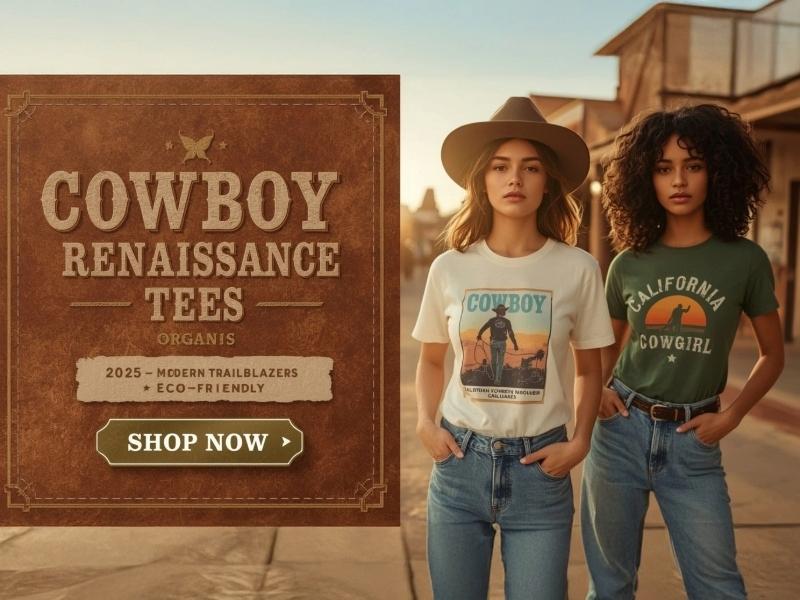
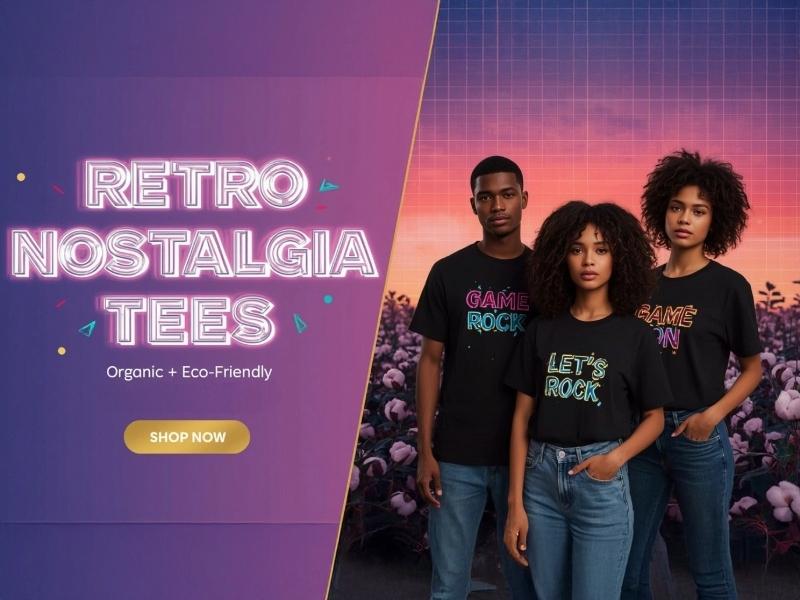
- Buy from collections that align with your values and needs. For vintage-inspired staples built with modern materials, see Retro Nostalgia Tees. For durable carryalls in natural fibers, review Organic Cowboy Totes.
- When you add a graphic tee, ensure it pairs with multiple bottoms and layers, and confirm responsible inks and finishes similar to the GOTS-Certified Tee noted above, or explore varied designs within Organic Nerd T-Shirts.
Adopt a measured pace: one upgraded basic at a time. Track wear counts, note favorite fabrics, and build a capsule that reflects your life and principles. Your wardrobe will become more coherent, comfortable, and resilient with each intentional purchase.
Q&A Section
How can I verify a sustainability claim?
Look for third-party certification numbers, policy pages that list specific supplier sites, and audit references. Cross-check whether the label covers fiber farming, processing, or cut-and-sew. Seek consistent disclosures across products rather than isolated claims.
What fabrics balance durability and impact?
Organic cotton provides comfort and breathability for daily wear, especially in heavier knits. Recycled blends can be appropriate for performance needs when they materially extend product life. Favor fibers that match the use case and withstand frequent wear and laundering.
How do I build a capsule wardrobe on a budget?
Start by auditing what works, then focus on filling the highest-value gaps first. Choose neutral colors for layering, buy during off-peak periods if available, and prioritize one well-made piece over several short-lived items. Maintain garments carefully to stretch replacement timelines.
About the Author
Design Delight Studio Design Delight Studio researches materials, supply chains, and product design to help readers build wardrobes with purpose. Our expertise spans apparel sourcing, certification standards, and lifecycle-minded care practices. We translate complex details into clear, actionable guidance. Thank you for reading and choosing better, one garment at a time.








0 条评论