

The Rise of Renewable Bioplastic Building Blocks: Transforming Sustainable Packaging and Personal Care
Consumers care about the planet. Companies care too. Materials get studied closely. At Design Delight Studio we see this change. Sustainable materials now shape fashion, packaging, and personal care. A global report shows that renewable bioplastic building blocks will grow quickly in packaging and care products. This change pushes us toward eco-friendly choices. Small brands that value sustainability find strength here.
Understanding Renewable Bioplastic Building Blocks
Renewable bioplastic building blocks are small parts. They come from plants and other nature sources. These blocks make bioplastics. Bioplastics replace fossil fuel plastics. They use compounds like lactic acid, FDCA, succinic acid, and bio-diols. They come from corn, sugarcane, or farming leftovers.
These parts help form bioplastics like PLA. PLA is a well-known bio-based plastic. Bioplastics can break down in nature. They sometimes compost as well. This change cuts the damage done by old plastics. They work well in packaging, personal care items, films, and rigid plastics.
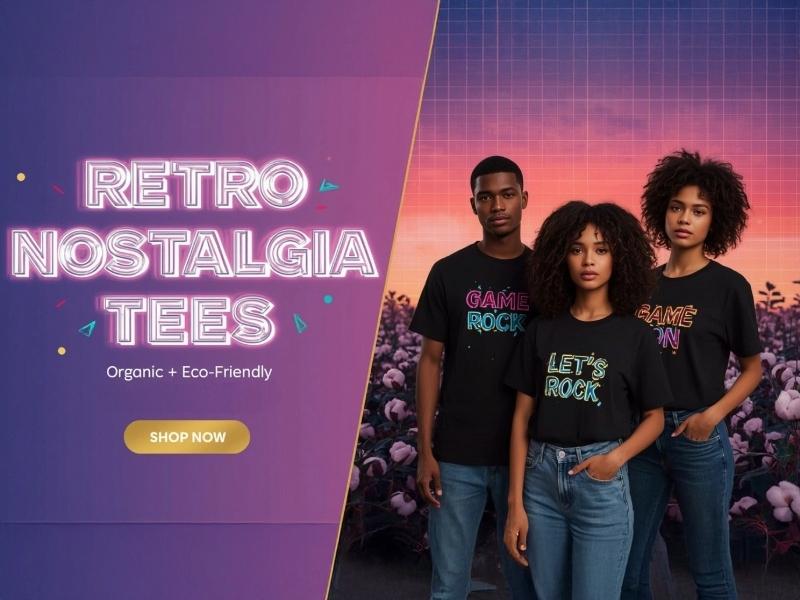
At Design Delight Studio we stick to eco-friendly ideas. We use GOTS-certified organic cotton. We print with water-based inks. Our items stay beautiful and green. We, like the bioplastic makers, choose materials that lower petrochemical use and help the planet.
Market Growth Reflects Rising Demand for Sustainable Materials
The market for renewable bioplastic blocks will grow fast. In 2026 it sits near USD 640 million. By 2036 it may hit USD 1.9 billion. The price grows at roughly 11.5% every year. New laws push a cut in single-use plastics. Companies now set green targets. Consumers choose eco-friendly brands.
Nearly half the market goes to packaging films and rigid plastics. Food packaging and personal care items use them most. Within these bioplastic parts, lactic acid and PLA ingredients lead at 34%. This shows how important PLA-based materials are.
For small businesses like our Shopify shop this trend matters. Customers now look for clear sustainable stamps. They choose apparel in recyclable packages. They pick natural fiber tees made on demand. We watch how raw materials shift. This makes us support eco systems like GOTS and OEKO-TEX®. Learn more about our certifications here.
Key Drivers: Why Renewable Bioplastics Are Gaining Ground
A few clear drivers push the switch to renewable bioplastic blocks:
-
Environmental Impact Reduction
Petrochemical plastics harm our air and water. They come from oil that pollutes. Bioplastics use plant feedstocks. They can break down in the field. This lessens waste and pollution. -
Regulatory and Policy Drivers
Many governments ban single-use plastics now. They require bio-based parts in packaging. Rules push makers to try bioplastics. This keeps companies in the race. -
Consumer Preference and Brand Value
Consumers favor brands with real green acts. Bioplastics let firms promise clear benefits. This choice strengthens trust and loyalty. -
Technological Innovation and Scale
New fermentation and bioprocess methods work well. They make lactic acid fast and cheap. Scale brings costs down. This helps bioplastics match old plastics.
At Design Delight Studio these drivers count. We make slow fashion by printing on demand. We choose organic, renewable fibers and eco inks. New plant-based plastics show that industries can rework products at the molecule level. We see this as creative pride. Explore our sustainable t-shirt collections for proof.
Challenges and Opportunities Ahead
The future looks bright, but challenges exist:
• Cost Competitiveness: Bioplastics cost more than old plastics in many cases. We need more innovation to lower costs.
• Performance Parity: Matching strength and barrier skills of petroleum plastics is key.
• Supply Chain Complexity: Suppliers of renewable parts can be hard to work with. Technical and logistically close ties must be built.
These challenges spark new ideas. Big names such as Braskem, Corbion, and DuPont invest in new biorefineries. Rules also reward a circular flow of materials.
This change fits Design Delight Studio’s aim. We strive for a circular fashion economy. We cut waste, extend product lives, and use clear certifications. Our limited-run artist tees show how creative work fits green guidelines. Learn about our new arrivals that use certified organic cotton and eco printing.
Connecting the Dots: What This Means for You and Us
The growth in renewable bioplastic blocks shifts everyday design. These blocks guide packaging and personal care toward green futures. They inspire us at Design Delight Studio to work harder for a low-impact way. We choose GOTS-certified cotton and water-based inks. We join a movement that tells a clear, low-carbon story. Our path shows care for people and the planet. This is what we bring to our Shopify brand. We invite you to join us.
Explore a More Sustainable Future with Design Delight Studio
The renewable bioplastics market brings real hope. It cuts plastic waste and lowers carbon in packaging and care items. Small sustainable fashion brands lead by example. They show that clear certifications and smart sourcing work.
See slow, thoughtful fashion in real life. Visit our certified sustainable designs. Learn how every choice—from fibers to boxes—helps build a kinder world.
Together we make a green future. Each product is crafted with care. Each product supports our shared mission.
Design Delight Studio curates high-impact, authoritative insights into sustainable and organic product trends, helping conscious consumers and innovative brands stay ahead in a fast-evolving green economy.









0 条评论