

I dug in a warehouse box. I found deadstock tees. I felt as if time had folded upon itself. I saw faded cardboard. I smelled a mix of ink and cotton. I found neatly folded shirts. They came from a tour that ended long before my birth. The sizes stayed tagged. The colors stayed bright. I saw one Prince tour shirt, a small pile of 90s cartoon prints, and a regional bowling league tee that felt cooler than mall finds.
I left the warehouse having used my month’s fun budget. I also started a small reselling side hustle. I learned that deadstock tees do not rely on hype alone. They stand for sustainability, smart buying, and designs that tell a story.
What Are Deadstock Tees, Really?
Deadstock meant 'brand new, never-sold inventory.' It sat on a shelf until it was forgotten or discontinued. Today, deadstock tees usually mean:
- Vintage or older T-shirts that are unworn and often with original tags
- Overstock from bands, tours, events, or small shops that closed
- Limited runs that never sold out, left in boxes or warehouses
These tees are not secondhand. They are 'new old stock.' You get a vintage cut, single-stitch hems, and retro graphics. You do not face the wear and tear that comes with thrift store finds.
Because they are limited and nostalgic, deadstock tees have a special appeal for:
- Resellers and vintage shop owners
- Collectors who love bands, sports, anime, comics, or niche brands
- Eco-conscious shoppers who seek lower-impact options
Why You’ll Love It
- Unique pieces you won’t see everywhere – Deadstock tees come from past collections, tours, or brands that no longer exist. When you wear one, you wear a piece of history.
- Vintage quality and character – Older tees often have a different fabric weight, single-stitch sleeves, and screen-printed graphics that age with grace.
- More sustainable than buying new fast fashion – You give a second life to a garment. This choice helps slow the demand for new production. (The World Bank says fashion makes about 10% of global carbon emissions.)
- Great margins for resellers – Sourced smartly, deadstock tees offer strong resale value, especially among niche fans and Y2K lovers.
- No “broken in” surprises – Unlike thrift store finds, deadstock shows no hidden wash history. It stays fresh and true to the original design.
How to Source Deadstock Tees (Without Getting Burned)
1. Start Local: Small Shops and Closets
- Old mom-and-pop stores – Look in family-owned sports shops, print shops, tourist stores, and music shops. Often, they keep unsold boxes in the back.
- Closed or closing businesses – Check local business listings, auction sites, and Facebook Marketplace for liquidations.
- Community connections – Talk to older relatives, retired event planners, and local bands. They may have unsold merchandise boxes ready to move.
2. Use Online Marketplaces Strategically
Use search terms like:
- “deadstock tees lot”
- “NOS T-shirt” (new old stock)
- “warehouse find shirts”
- “vintage t-shirt bulk deadstock”
Try platforms like eBay, Etsy (vintage category), Depop, Grailed, and vintage Facebook groups. Always ask for:
- Close-ups of tags (brand, size, origin)
- Images of seams and hems (to check single vs. double stitching)
- Photos of any cracks, yellowing, or odors
3. Know What’s Actually “Deadstock” vs. Just “Old”
True deadstock tees must be:
- Unworn – They show no signs of past use, no wash-fade, and no armpit marks.
- In original condition – Ideally, they have tags or crisp labels and structure.
- Authentic to their era – Check tag design, RN numbers, and do an image search to avoid modern reprints.
Be alert if sellers overuse the term “deadstock.” If a shirt shows wash wear or deodorant marks, it is not true deadstock. It has been pre-owned.
Style It Your Way
When you find the right deadstock tees, the fun begins. You make them your own.
Outfit Ideas
- Weekend casual: Wear a band tee with straight-leg jeans, white sneakers, and a light overshirt. Tuck the tee at the front to show its graphic.
- Office-ready (smart casual): Layer a simple graphic tee under a smart blazer. Pair with tailored trousers and loafers. Choose muted colors for a polished look.
- Streetwear core: Match an oversized tee with baggy cargos and chunky sneakers. Add a beanie or cap and a crossbody bag.
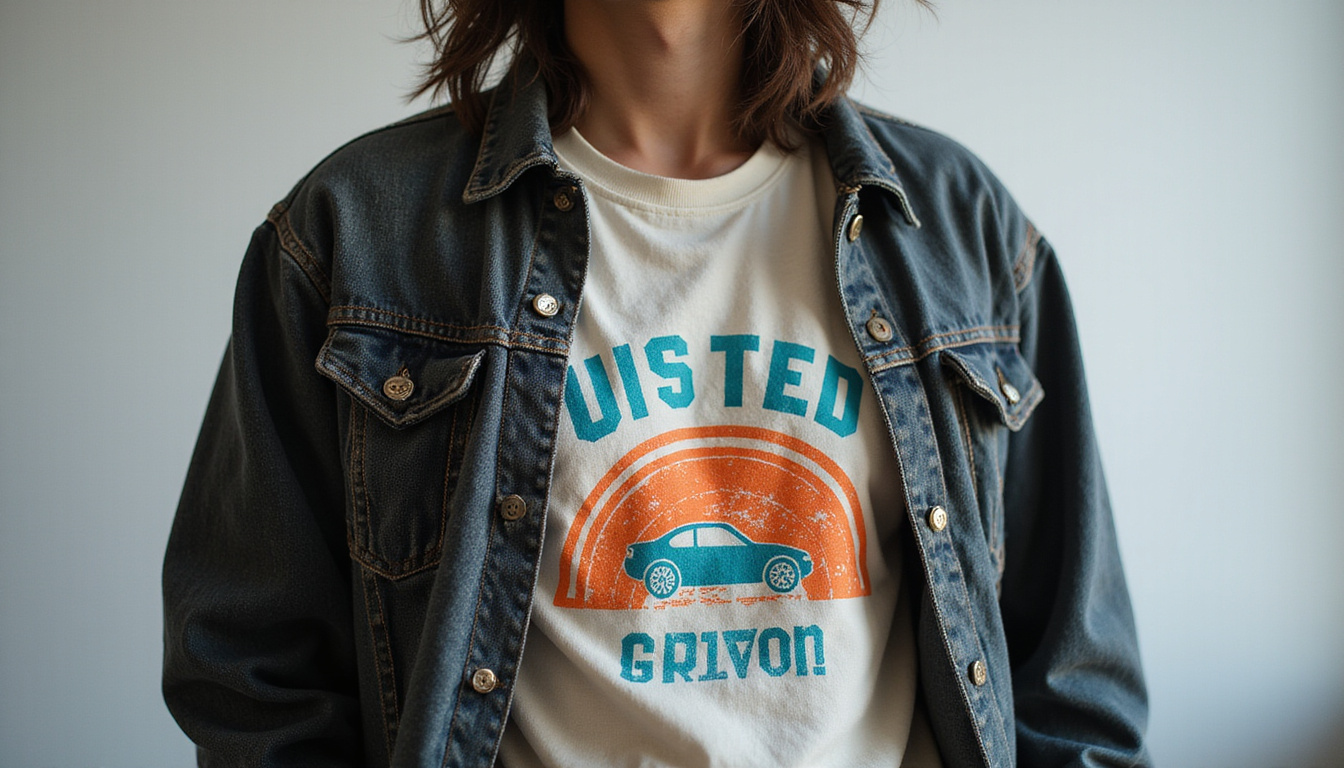
- Layering hero: Wear a snug tee under open flannels, denim jackets, or cardigans. Let the graphic shine in a subtle way.
Gifting Ideas
- For music lovers: Choose a tour tee from their favorite decade or genre.
- For gamers and nerds: Find retro console, arcade, or anime tees. Look for old licensing logos on the hem or tag.
- For nostalgia hunters: Select local event shirts, classic cartoons, or 90s brand prints.
For an extra personal touch, include a note that explains where the tee came from and why you chose it.
Everyday Wear Tips
- Rotate, don’t over-wear: Use your deadstock tees in rotation. This keeps prints and fabric in good shape.
- Gentle wash: Wash in cold water, inside-out, with mild detergent. Air dry when you can to stop cracking.
- Tailor the fit: If the tee feels too long or loose, have a tailor adjust it. A small hem or side-taper can modernize the look while keeping its charm.
Eco Matters: Deadstock vs. New — and Better Alternatives
One strong reason to choose deadstock tees is their environmental impact. You rescue good garments that might end up in a landfill. This lessens the need for new production.
Yet, deadstock does not mean eco-certified. Many older tees were made before modern sustainability standards. Combining deadstock with thoughtful modern tees can be powerful. This is especially true for brands and resellers.
At Design Delight Studio, our new T-shirt collections focus on:
- Organic fibers and responsible recycling – We choose fabrics that meet certifications like GOTS and GRS when possible.
- Low-toxicity, people-safe production – We use standards such as OEKO‑TEX® Standard 100 to test against harmful substances.
Learn more about our certifications on our Certifications page.
We also monitor the impact of cotton and textile production. If you wonder why choosing organic or recycled options matters when you cannot use deadstock, see our guide: Environmental Impact of Cotton: Your Questions Answered.
Our Low‑Waste Promise
- Small-batch production – We avoid overproduction that turns into landfill deadstock.
- Thoughtful designs that last – Our graphics and cuts are made to be worn for years, not just a season.
- Free shipping thresholds – We bundle shipping to reduce packaging and transit emissions on small orders.
Explore our sourcing, printing methods, and organic choices on our Organic Promise page.
Selling Deadstock Tees: Turning Passion into Profit
1. Know Your Niches
Not all deadstock tees sell the same. Strong sellers often include:
- Band and tour tees, especially rock, metal, and 90s pop
- Sports tees from NBA, NFL, MLB, college teams, or local leagues
- Tees from gaming, anime, and comic conventions
- Old brand promos, from soft drinks to tech and retro logos
2. Presentation Matters
- High-quality photos: Show the front, back, tag, fabric, and any flaws.
- Accurate measurements: List chest width, length, shoulder-to-shoulder, and sleeve length.
- Storytelling: Tell buyers where you found the tee. A phrase like “warehouse find from a closed record shop” adds value.
3. Price Smartly
- Check eBay or Grailed for similar items to set your price.
- Price rare sizes a bit higher, as XS and XXL can be in great demand.
- Offer bundles like “buy 2, get 10% off” for collections in sports, bands, or events.
FAQs About Deadstock Tees
How do deadstock tees fit compared to modern sizes?
Many vintage tees run smaller than modern ones. A 90s “Large” may feel like today’s Medium. Always:
- Check the chest width and length instead of just the tag size.
- Compare measurements with a tee you already own and like.
What about shipping and returns when buying online?
Policies change by seller. In general:
- Shipping: Look for tracked shipping, especially for high-value vintage pieces.
- Returns: Many deadstock resellers mark items as “final sale.” Read policies before buying.
- Condition disputes: If condition matters, ask for extra photos or video prior to purchase.
At Design Delight Studio, our shipping options are clear. We keep the process simple and transparent, especially for our certified organic and sustainable tees.
Are deadstock tees certified organic or eco-labeled?
Most older deadstock tees are not certified organic or recycled. They were made long before standards like GOTS, GRS, or OEKO-TEX existed. They are best seen as eco-wins for waste reduction rather than certified sustainable products.
If you want modern eco-certifications with nostalgic graphics, learn about our testing and certifications on our Certifications page.
Behind the Design: For Gamers, Nerds, and Nostalgia Lovers
The energy of a deadstock hunt inspires our graphics at Design Delight Studio. We love:
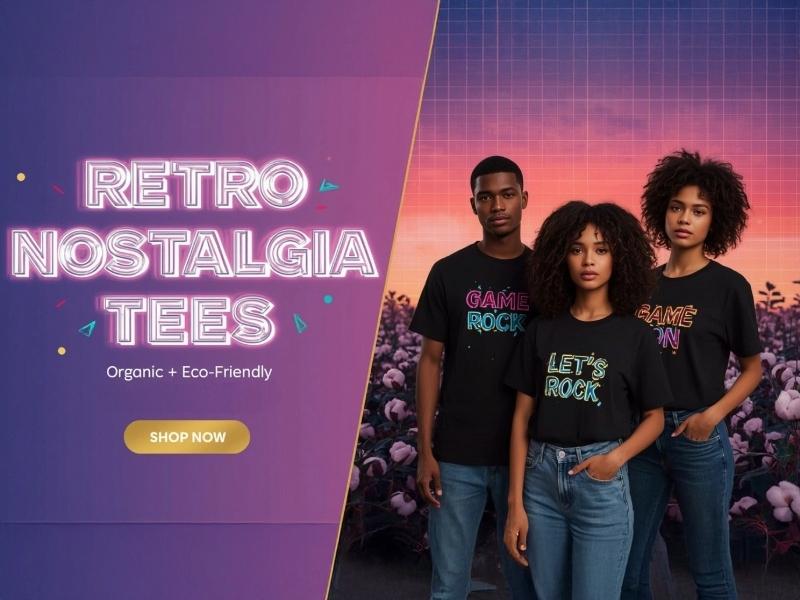
- Retro gaming aesthetics – Pixel art, arcade fonts, glitch art, and console-inspired designs that recall a 1996 game launch.
- Nerd culture done thoughtfully – Designs that only real fans recognize, not loud, over-licensed prints.
- Nostalgia without the landfill – We draw from old band tees, anime posters, and tech events and turn them into new, certified-organic pieces.
When we design a graphic tee, we ask:
- Will it still seem cool in 10–20 years?
- Does it capture a moment in culture?
- Is the garment made to last in fit, fabric, and durability?
We bridge the gap by pairing the charm of deadstock with the care of better materials and lower-waste production.
Bring It All Together
Deadstock tees let you wear a slice of history. They support a circular fashion culture. Even if you resell them, you build a business around real stories. Whether you hunt for that ideal tour tee, flip a warehouse find, or collect pieces full of character, deadstock is a rewarding part of the T‑shirt world.
When you seek nostalgic energy in a freshly made, responsibly produced shirt, we are here. Explore designs inspired by gamers, nerds, and nostalgia on responsibly made blanks. Keep your passion for graphic tees in line with your values.
Explore our certified organic tees now at Design Delight Studio and build a collection that feels as good as it looks.
Design Delight Studio is based in Boston, MA. We use certified organic cotton, water‑based inks, and recyclable packaging for every order. Free U.S. shipping. Need custom or bulk design? Contact us at designdelightstudio24@gmail.com or visit https://designdelightstudio.myshopify.com/pages/contact-design-delight-studio.









0 条评论