

Updated on: 2025-12-25
This guide explains how to evaluate fabrics, build a responsible sourcing process, and care for products that align with sustainable apparel values. You will learn practical steps for selecting fiber types, understanding certifications, and planning a transparent supply chain. The article also covers styling, merchandising, and care tactics that reduce waste and extend product life. Use it as a clear roadmap for ethical design, production, and mindful wardrobe building.
Table of Contents
- Introduction
- Market Trends and Material Insights
- Strategic Roadmap for organic fabric fashion
- Step 1: Define purpose and product vision
- Step 2: Select fibers with evidence and context
- Step 3: Verify certifications and supply transparency
- Step 4: Optimize pattern, cut, and yield
- Step 5: Choose low-impact finishes and dyes
- Step 6: Plan packaging, shipping, and end-of-life
- Step 7: Educate customers and measure outcomes
- Practical Tips for Sourcing and Care
- Styling and Merchandising Approaches
- FAQs
- Which fabric is best for everyday wear?
- How do certifications help?
- How should I wash to extend garment life?
- Wrap-up & Final Thoughts
- About the Author
Introduction
Consumers want clothing that feels good on the skin, looks refined, and respects planetary limits. The movement around organic fabric fashion has shifted from trend to expectation as designers, merchants, and customers seek clarity on fiber choices and production methods. This article breaks down the essentials in a practical sequence: materials, verification, design efficiency, finishes, packaging, education, and care. It also provides straightforward tips for styling and merchandising so that sustainable choices are easy to understand and adopt.
Market Trends and Material Insights
Demand for cleaner textiles continues to grow, supported by advances in fiber cultivation, processing, and traceability. Organic cotton remains a foundational choice due to its familiarity and versatile hand feel. Hemp offers strength and breathability, with excellent wear resistance and a relaxed drape after laundering. Linen provides crisp structure and natural luster, suitable for warm climates and elevated basics. Lyocell made from responsibly managed wood pulp creates a soft, smooth surface with high color depth and graceful movement. Blends of these fibers can balance durability, comfort, and cost.
Responsible production depends on credible verification. Reputable standards evaluate fiber origin, chemical inputs, social criteria, and management systems. When supported by reliable documentation from suppliers, these signals help buyers compare mills and choose the best option for their designs. Transparency is strengthened when brands publish material content, care guidance, and end-of-life suggestions. The result is a garments-first narrative that aligns business value with customer trust.
Strategic Roadmap for organic fabric fashion
Step 1: Define purpose and product vision
Clarify why the product exists, who it serves, and how it will be used. Establish priority attributes such as softness, drape, opacity, climate suitability, and care expectations. Set measurable goals for fiber content, dye method, packaging, and longevity. This foundation guides every downstream decision.
Step 2: Select fibers with evidence and context
Match the fiber to function. For breathable tees and everyday tops, consider certified organic cotton or cotton–lyocell blends. For structured shirts or summer dresses, explore linen or hemp blends. Compare weight (GSM), yarn type (combed, ring-spun), and weave or knit structure to achieve hand feel and performance. Request mill test data for shrinkage, colorfastness, pilling, and dimensional stability. When possible, review third-party reports that document processing inputs and wastewater treatment practices.
Step 3: Verify certifications and supply transparency
Ask suppliers for current certificates, transaction references, and scope coverage. Confirm chain-of-custody where applicable and ensure label claims match actual material content. Maintain a documentation archive and share clear, plain-language summaries with customers to build trust.
Step 4: Optimize pattern, cut, and yield
Design for material efficiency. Use marker-making software or layered paper markers to improve yield. Favor modular pattern pieces and consistent seam allowances to reduce offcut waste. Consider versatile necklines and sleeve shapes to keep styles timeless and production efficient.
Step 5: Choose low-impact finishes and dyes
Evaluate dye houses for water management, chemical inventory control, and colorfastness standards. Select finishes that support fiber performance without unnecessary coatings. Aim for quality color with minimal re-dye rates to avoid waste.
Step 6: Plan packaging, shipping, and end-of-life
Use minimal packaging that protects garments and communicates care instructions. Ship consolidated where possible and select right-sized cartons. Include guidance on repair, resale, and textile recycling programs to extend product utility.
Step 7: Educate customers and measure outcomes
Publish fabric content, fit notes, and care steps in readable language. Track returns, warranty issues, and customer feedback to improve future runs. Share progress updates on material choices and design improvements to close the loop with your audience.
Practical Tips for Sourcing and Care
- Request hand swatches and wash-test them at home to assess softness, shrinkage, and colorfastness.
- Choose mid-weight knits for all-season tees to balance opacity and drape.
- Prefer buttons, threads, and labels with documented, responsible inputs to match your main material story.
- Wash garments inside out in cold water with mild detergent; air dry or tumble low to maintain fabric integrity.
- Steam rather than iron when possible to protect fiber structure and surface finish.
- Rotate wear and store garments folded for heavy knits to maintain shape.
Styling and Merchandising Approaches
Responsible clothing can be expressive and modern. Use a capsule approach: build around versatile tees, relaxed button-downs, and well-cut bottoms that layer across seasons. Focus on shape, texture, and tonal harmony to reduce the number of items needed for distinct looks. Create visual stories that pair textiles with narrative details about fiber origin and dye methods. Support customers with outfit guides and clear size charts to reduce returns and ensure a confident purchase.
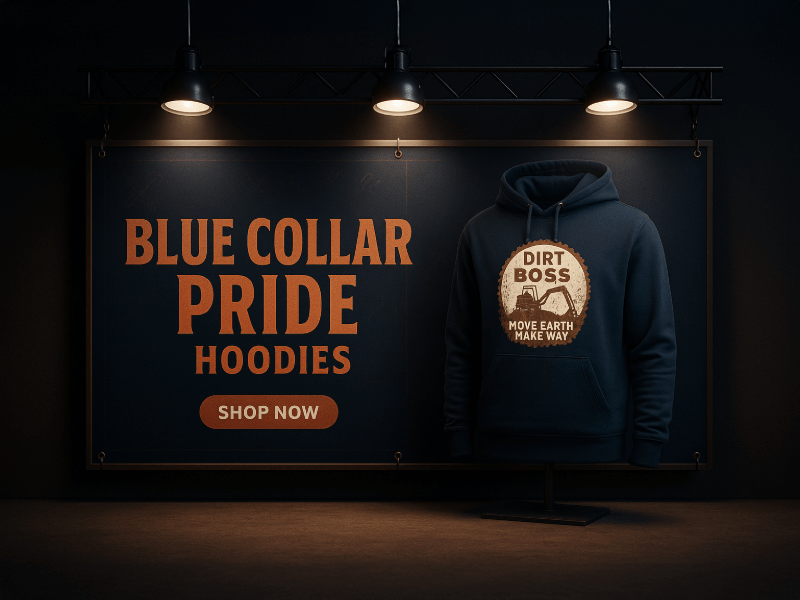
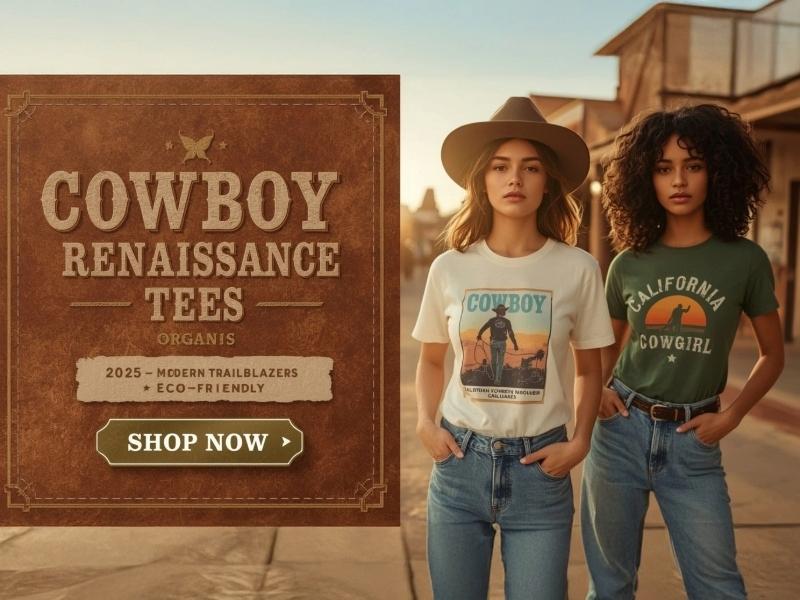
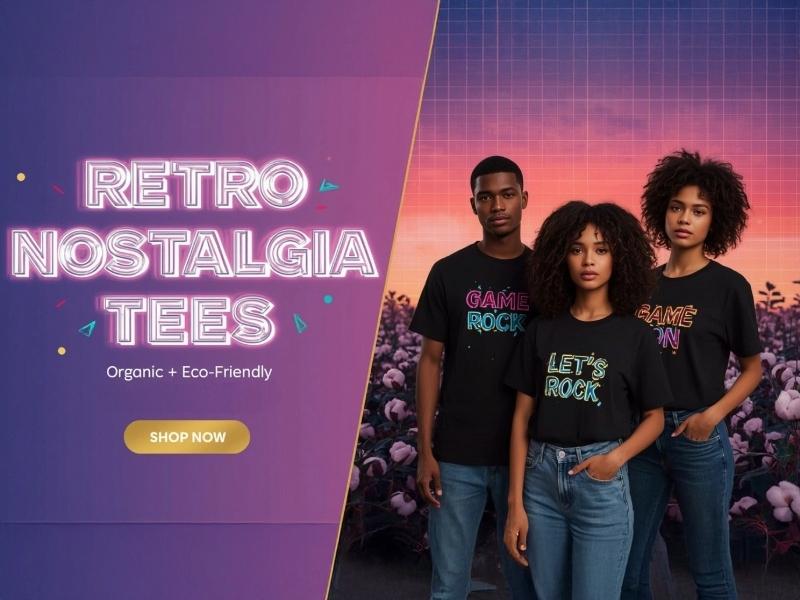
Consider highlighting products that embody your values and aesthetic. Graphic tees can communicate purpose while maintaining quality and comfort. For example, explore playful yet thoughtful designs in collections like eco gamer tees or tech-inspired apparel from curiosity-driven designs. Complement outfits with durable carryalls such as the organic cotton tote bag and discover additional low-impact accessories in organic tote collections. These pieces demonstrate how responsible materials and creative storytelling can live together in a cohesive wardrobe.
FAQs
Which fabric is best for everyday wear?
Mid-weight organic cotton or cotton–lyocell blends are dependable for daily use. They balance comfort, breathability, and color retention. Hemp blends add strength for items that see frequent washing and outdoor use.
How do certifications help?
Credible certifications indicate that independent auditors reviewed production against defined criteria. They help verify fiber origin, chemical management, and documented processes. Always cross-check scope, validity dates, and material claims in supplier paperwork.
How should I wash to extend garment life?
Use cold water, gentle cycles, and mild detergent. Wash similar colors together, turn garments inside out, and avoid overdrying. Air drying preserves hand feel and reduces fabric stress.
Wrap-up & Final Thoughts
Sustainable apparel succeeds when design intent, verified materials, and responsible care come together. Start with a clear product vision, select fibers that match function, and communicate care steps that extend wear. Share transparent information so customers can choose confidently and enjoy pieces longer. This disciplined approach turns values into durable, beautiful garments that earn a lasting place in the wardrobe.
About the Author
Design Delight Studio Design Delight Studio
Design Delight Studio Design Delight Studio creates thoughtfully designed apparel and accessories with a focus on responsible materials and timeless style. Our team researches textiles, production practices, and care methods to help customers make informed choices. Thank you for reading, and we hope this guide supports your next mindful purchase.








0 条评论