

Headline:
Preparing for the Future: How the ESPR Shapes Ethical Production and Sustainable Materials
Introduction
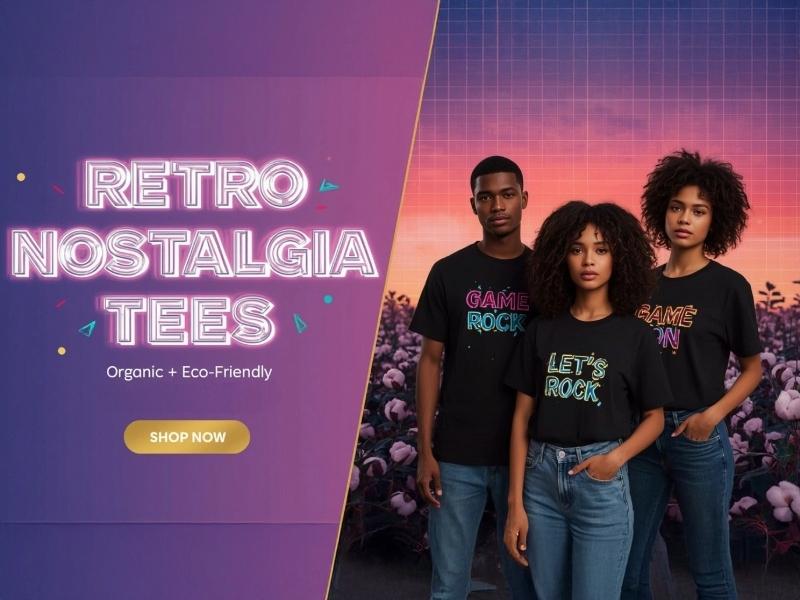
Sustainable fashion grows crucial. New rules, like the European Union’s Ecodesign for Sustainable Products Regulation (ESPR), set clear guides for production and design. At Design Delight Studio, we craft organic cotton clothes with eco-friendly ways. Knowing these rules keeps us ahead in ethical production and circular economy work. This article shows how the ESPR readiness tool helps brands and makers meet sustainability. Our work with transparency, sustainable materials, and slow fashion connects with this approach.
Understanding the ESPR: A New Benchmark for Sustainable Products
The European Commission sets the ESPR as part of its Ecodesign and Energy Labelling plan for 2025–2030. The plan pushes products in the EU to be more sustainable. The ESPR uses strict rules on product durability, reparability, and recyclability. Designers and makers must now focus on eco-friendly decisions from the start to finish of a product. The regulation also calls for Digital Product Passports (DPP). These passports will let both consumers and producers see key sustainability details in each product.
The Readiness Assessment Tool: Bridging Compliance and Innovation
The World Business Council for Sustainable Development (WBCSD) and ERM built the Readiness Assessment Tool. The tool uses Excel to check if companies meet ESPR’s key rules. It asks for inputs on materials, lifecycle stages, and product performance. The tool breaks the complex regulation into small parts. It reviews design, supply traceability, reparability, and recyclability. Companies quickly see gaps and find ways to improve. With this tool, firms can prepare before ESPR rules hit. The tool also adjusts for future updates from regulators, supporting compliance and a move to a circular economy.
Circular Economy and the Digital Product Passport: Toward Transparency and Traceability
One essential part of the ESPR is the Digital Product Passport (DPP). The DPP works with systems like the Circularity Data Exchange (CDX) from WBCSD. It helps share and check verified data on circularity. Data flows along the whole chain—from fiber growth to garment, from retail and use to recycling. For fashion makers, the passport shows where organic fibers came from, what treatments were used, and how products can be fixed or recycled. This clear view benefits responsible consumers and accountable companies. Small businesses on Shopify, like us with our organic cotton tees and recycled sweatshirts, use these tools to share our eco-commitment. Such protocols build trust and honor the circular economy model.
How Design Delight Studio Embodies ESPR Principles in Practice
At Design Delight Studio, our work already reflects ESPR ideas. Our made-to-order products support long use and low waste. We use only GOTS-certified organic cotton and water-based, low-impact inks. Our methods show care in every step. We ship in recyclable packaging and share our certifications (learn more about our certifications here). We limit production and work with artisanal artists (explore new arrivals and limited collections). All these steps match the regulation’s focus on full lifecycle care and circularity. The ESPR readiness tool shows that small brands like ours can stay competitive and true to our values.
Why Small Businesses on Shopify Should Care About ESPR
Even as an EU rule, the ESPR sets new global marks for sustainable design and product care. Shopify entrepreneurs everywhere can benefit from early ESG (environmental, social, governance) practices that align with ESPR goals. Consumers now demand clear traces, ethical production, and honest transparency. Early sustainability checks and best material practices help avoid risks. They also open new markets. Brands share honest stories and gain a competitive edge over fast fashion. Design Delight Studio’s sustainable t-shirts, made from 100% organic cotton and printed with water-based inks, reflect this principle (see our sustainable collections). We invite other Shopify brands to use the ESPR readiness tool as a clear path toward better ethical production.
Conclusion: Embracing Regulation as a Guide for Sustainable Innovation
The ESPR is more than new rules. It marks a shift toward a circular economy where each product is built with care, clear design, and lasting use. The WBCSD’s ESPR Readiness Assessment Tool helps all companies plan for a sustainable future. At Design Delight Studio, we follow slow, thoughtful fashion. Each piece mixes certified organic materials, eco-friendly inks, and careful production. We invite you to see our sustainable designs. Let us move from green ideas to real change—one handmade garment at a time.
Explore our certifications and sustainable collections:
Design Delight Studio curates high-impact, authoritative insights into sustainable and organic product trends, helping conscious consumers and innovative brands stay ahead in a fast-evolving green economy.









0 条评论