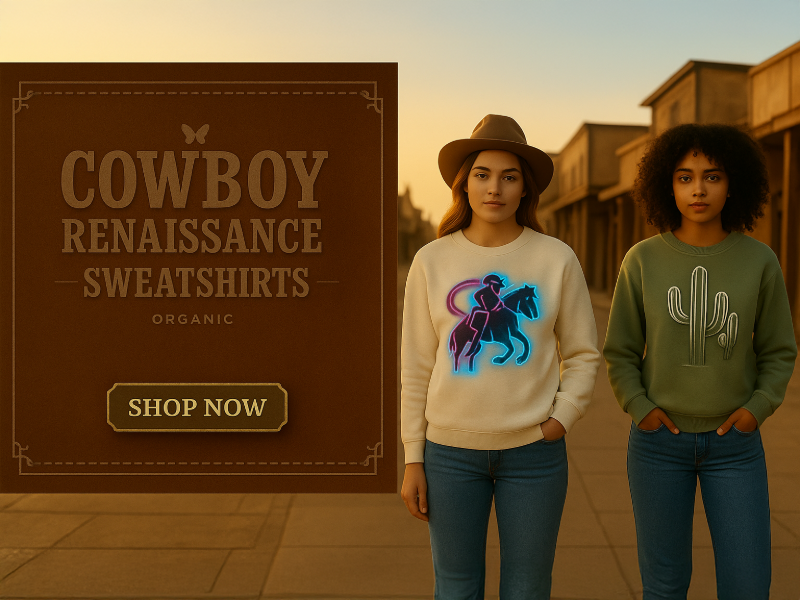


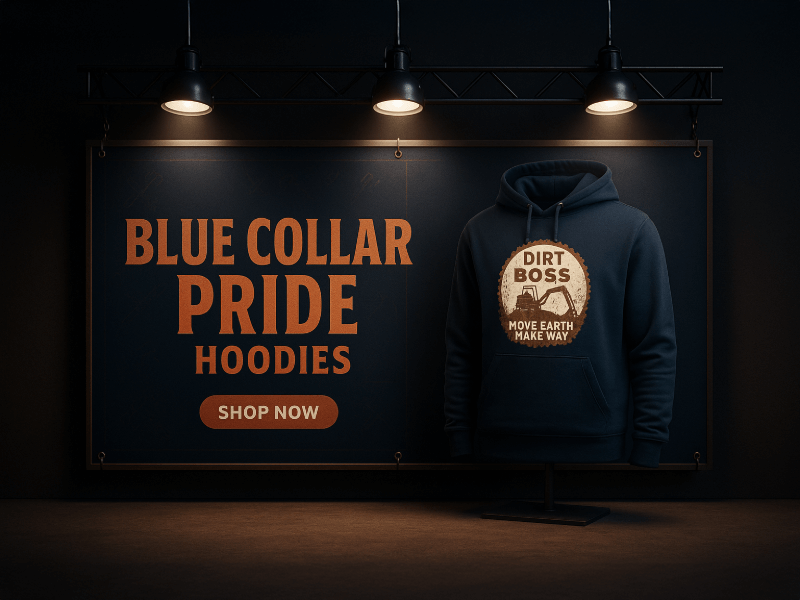

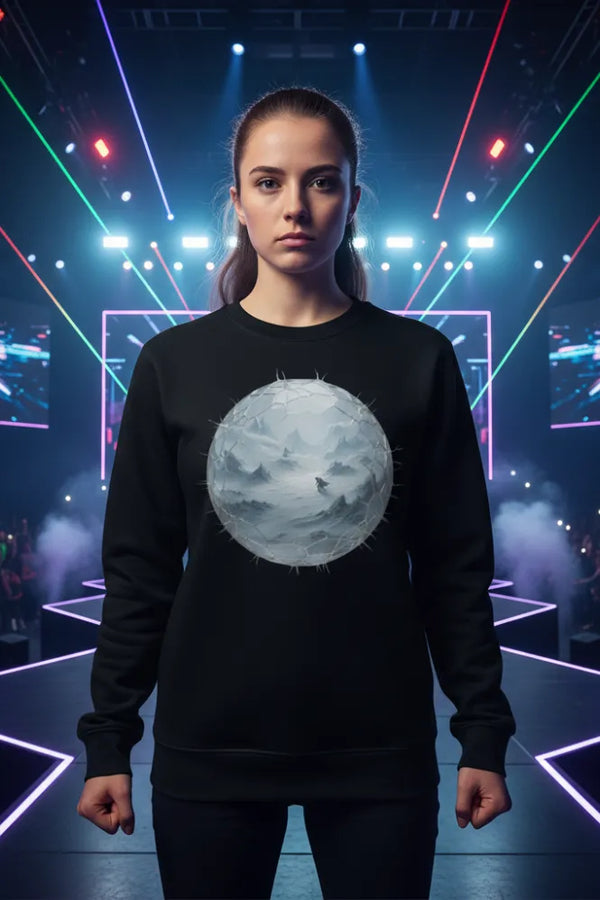

Ropa de algodón orgánico premium para gamers, nerds, amantes del estilo retro y pioneros modernos. Estampados al agua con certificación GOTS y gráficos duraderos.
Ropa urbana sostenible para todos los estilos. Algodón orgánico con certificación GOTS, estampados al agua y diseños que marcan tendencia.




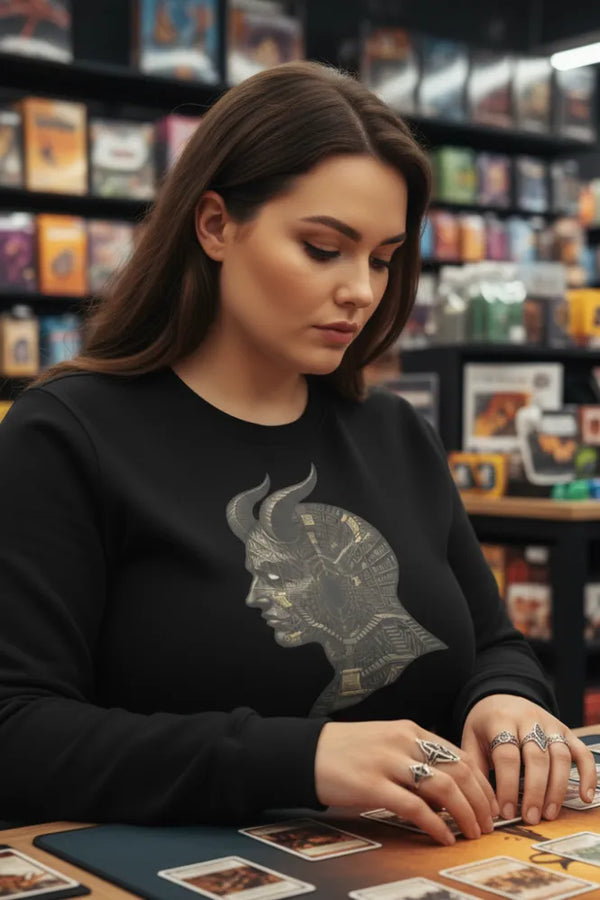


PRUÉBALO ANTES DE COMPRAR - Gratis
✨ Sin correo electrónico • Sin registro • Sin tarjeta de crédito ✨
Pruébate virtualmente nuestra ropa de algodón orgánico con certificación GOTS para ver el ajuste perfecto antes de comprar.
Compatible con redes sociales. Descarga y comparte al instante.
🔒100 % privado. Nunca guardamos tus imágenes.
🌿GOTS Orgánico. Solo moda sostenible.
Loading products...
No products match your filters.
This sweatshirt is insanely soft inside. I wasn't expecting it to be this cozy. Print is vibrant and true to photos.
Fit like a dream right out of the package. Didn’t even need to wash it first.
I’ve worn this hiking, biking, and even to brunch. Super versatile.
The recycled material doesn't feel stiff at all — very breathable and cozy.
I love how it represents positivity without being cheesy. Beautiful balance.
Organic + awesome design = a no-brainer buy for me.
Got this for a music festival and it turned heads. Soft enough to nap in too.
I live in LA and this is just the right weight for evenings. I’ve washed it three times and no fading yet.
I got the Cosmic Cowboy for my fall wardrobe and it’s been a game changer. Super warm, and I’ve had compliments every time I wear it.
Absolutely love the detail in the print — it's even better in person.
I wanted something that was ethically made *and* looked good. This nailed both.
The design is gorgeous but I wish the sleeves were just a bit longer. Still, it’s probably my most-worn item right now.
It helps get up every morning and it gets me motivated for the day I highly recommend this one
Love the sticker and the design of it. It a great way to make someone's day better and or happy
Love the fabric of the shirts really comfy reasonable prices
Test your knowledge about sustainable fabrics, certifications, and why it all matters. Score 80% or higher to unlock an exclusive %10 discount on all our Organic collections.
What does 'organic cotton' actually mean?
What does GOTS certification guarantee?
Compared to conventional cotton, organic cotton farming typically uses:
What percentage of the world's insecticides are used on conventional cotton?
What does GRS certification verify?
Why might a sustainable brand use an 80/20 organic-recycled blend?
How should you wash organic cotton garments to maximize longevity?
What does OCS (Organic Content Standard) certification track?
Which statement about certified organic textiles is TRUE?
What's one way to verify a brand's sustainability claims?
Score 0/10 on the Organic Cotton Quiz at Design Delight Studio