

What Are Chemical-Free Fabrics and How Do They Protect Consumers from the 'Toxic Fabric' Crisis?
💡 Key Takeaways
- The "Toxic Fabric" crisis is driving urgent demand for workwear certified chemical-free, especially under strict standards like GOTS.
- Consumers are pivoting sharply towards bio-sourced, natural fibers to eliminate microplastic shedding from synthetic garments, favoring certifications like GRS and Fair Trade.
- Modern sustainable streetwear, particularly for the Blue Collar Pride and Nerd Nation communities, emphasizes high-durability textiles that offer both safety and functional style.
- Traceability and material transparency are now crucial for verifying chemical safety, moving beyond basic fiber composition claims.
The Urgent Demand for Chemical-Free Workwear
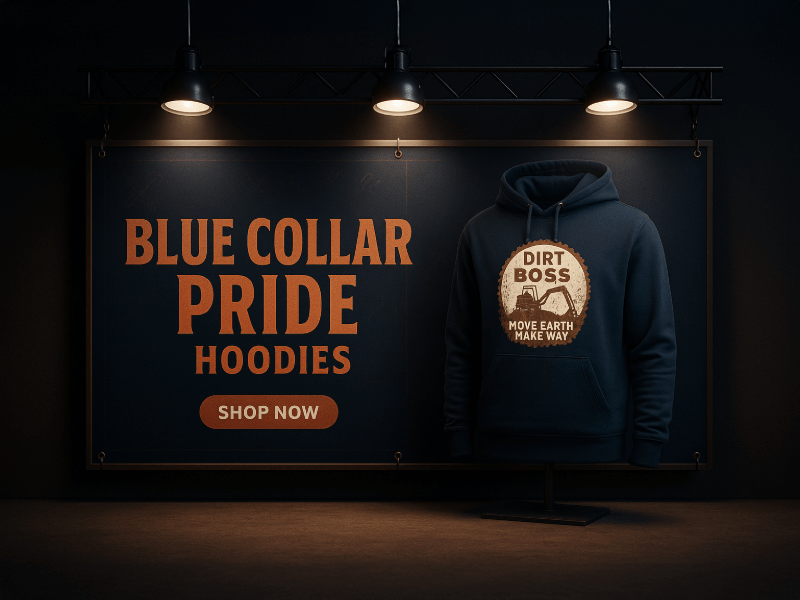
Recent reports highlighting the dangers of residual chemicals—including PFAS, heavy metals, and persistent dyes—in conventional textiles have sparked a major shift in the market. This "Toxic Fabric" crisis means that high-quality, durable workwear and streetwear must prioritize consumer safety. For industries and communities built around function, like our Blue Collar Pride collection, this safety guarantee is non-negotiable. This translates directly into a preference for materials verified by stringent third-party certifications.
Guaranteeing Purity with GOTS and Fair Trade Standards
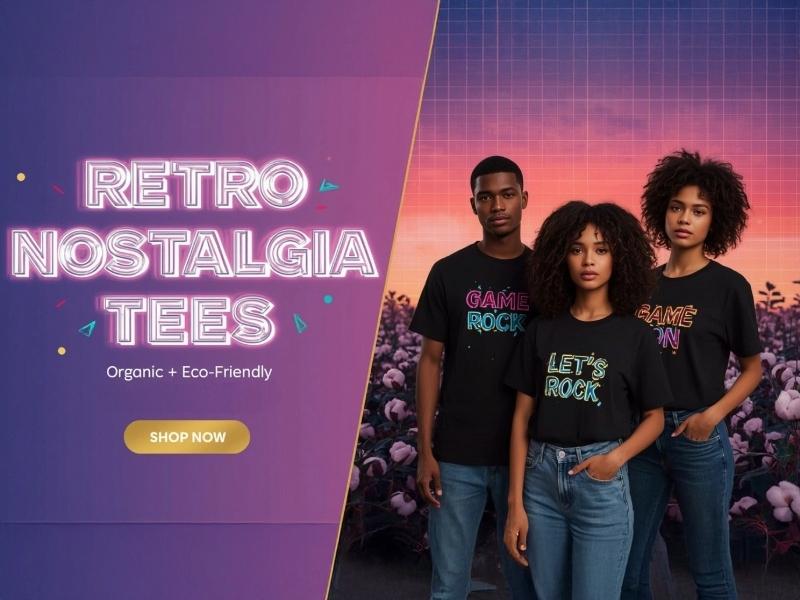
To definitively address chemical risks, Design Delight Studio focuses heavily on sourcing materials certified by the Global Organic Textile Standard (GOTS). GOTS ensures that the entire supply chain, from raw fiber harvesting to the final product, is free from hundreds of hazardous substances. This commitment extends past chemical safety into ethical manufacturing, often alongside Fair Trade verified suppliers, ensuring that the garments are safe for both the wearer and the makers. This focus on purity provides the robust and reliable foundation expected by the discerning adult consumer base, including the sophisticated tastes driving trends in the Gamer Grid niche.
Eliminating Microplastics: A Shift to Bio-Sourced Fibers
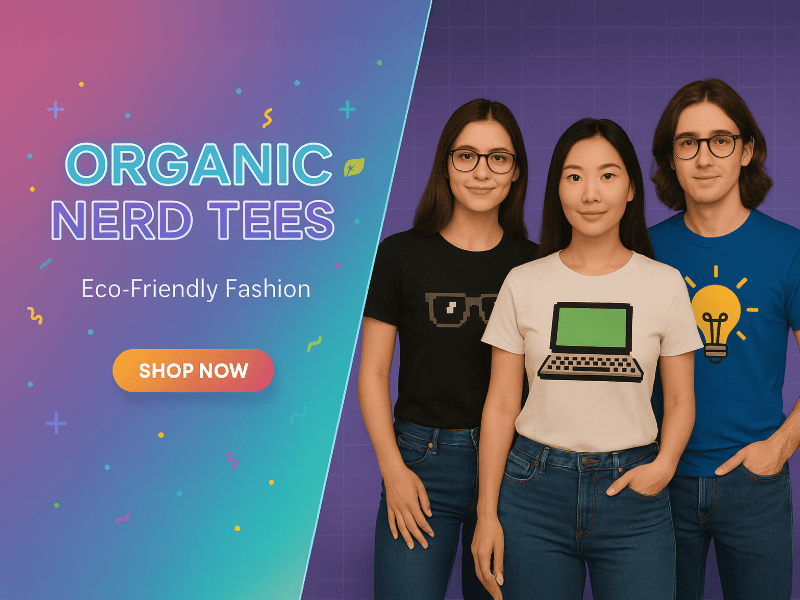
The second major ecological and health concern driving textile innovation is microplastic pollution. Synthetic fibers are major culprits in shedding microplastics during washing and wear. In response, scientific consensus and consumer demand are driving a rapid pivot back to high-quality, bio-sourced natural fibers, as well as robust recycled options. Our commitment to using materials verified by the Global Recycled Standard (GRS) allows us to utilize post-consumer waste while minimizing the need for virgin synthetics, catering directly to environmentally conscious groups like Nerd Nation.
Utilitarian Style for the Modern Sustainable Consumer
Sustainability no longer sacrifices ruggedness or style. The modern consumer demands performance without compromise—functional designs built to last that inherently reduce the need for constant replacement. Our collections blend this high functionality with thoughtful aesthetics. Whether you are looking for the durability required for everyday tasks (Blue Collar Pride) or the premium, high-GSM fabric upgrades seen in the latest gaming culture trends (Gamer Grid), chemical-free, certified materials ensure that your clothing investment supports both your health and the planet.




0 comentarios