

What is the 'Toolbelt Generation' and Why is Gen Z Choosing Trades over College?
💡 Key Takeaways
- The 'Toolbelt Generation' refers to Gen Z prioritizing skilled trades and vocational training over traditional four-year college degrees.
- Economic pressures and high student debt, combined with a demand for physical infrastructure maintenance, fuel this resurgence.
- Modern trades often blend digital skills (like 3D printing and coding) with manual labor, attracting the tech-savvy "Nerd Nation."
- The market is demanding radically transparent and certified durable goods, specifically apparel meeting standards like GOTS and Fair Trade.
Defining the 'Toolbelt Generation' Cultural Shift
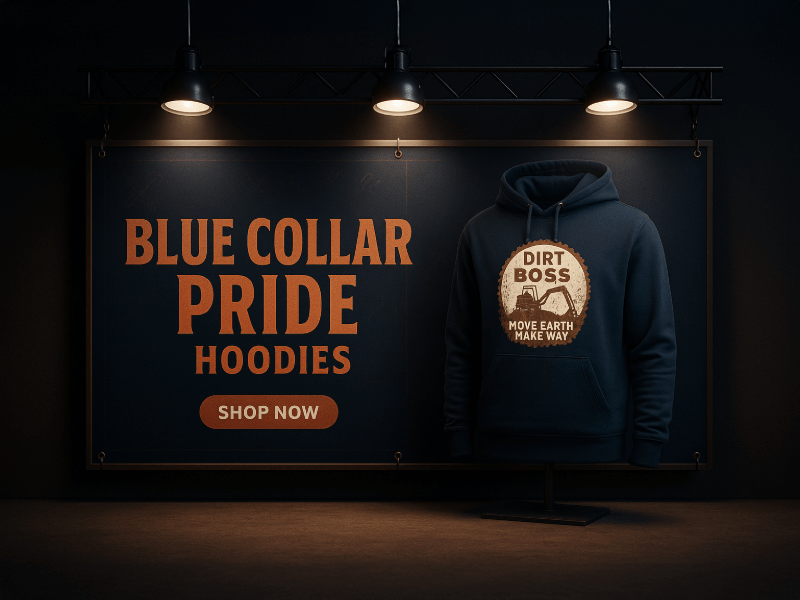
The term 'Toolbelt Generation,' recently popularized by trend analysts, captures a significant cultural pivot among young adults. Unlike previous generations pushed toward universal four-year college diplomas, Gen Z is making a calculated economic choice: prioritizing vocational training, apprenticeships, and skilled trades. This shift is driven by a desire for tangible, rewarding work, lower educational debt, and the realization that highly skilled technicians—plumbers, electricians, and mechanics—are in massive demand. This movement aligns perfectly with our Blue Collar Pride collection, celebrating hard work and foundational skills.
The Fusion of Labor and Technology
Modern skilled labor is far from traditional. Today’s trade professionals operate complex machinery, manage smart home systems, and even utilize digital tools like the 3D printer shown in the workshop backdrop of this movement. This intersection of manual skill and digital literacy appeals strongly to the Nerd Nation demographic, who are applying their technical expertise to real-world infrastructure problems—from renewable energy installation to data center maintenance. When this generation buys gear, they demand lasting durability built with sustainable methods, such as materials certified by GOTS or GRS.
Demand for Radical Transparency in Durability
As the 'Toolbelt Generation' invests in tools and gear meant to last, their expectations for radical transparency in manufacturing rise. The recent push for stricter regulatory oversight, exemplified by the upcoming 2025 EU Green Claims Directive, highlights the consumer demand for verifiable sustainability. For apparel, this means certifications are non-negotiable. We ensure our garments meet robust standards like PETA-Approved Vegan and OCS, guaranteeing honesty not only in materials but also in ethical sourcing, often verified through Fair Trade principles. When you invest in a piece of sustainable workwear, you are investing in its verifiable quality.
Equipping the New Workforce
The resurgence of the trades requires apparel that is functional, durable, and reflective of pride. Traditional workwear often sacrificed sustainability for resilience, but the modern tradesperson expects both. Our approach is to blend rugged design with certified low-impact materials, offering the confident streetwear aesthetic preferred by Gen Z while providing the resilience necessary for the job site. This focus on long-term value ensures the gear stands up to heavy use, honoring the commitment of those rebuilding the physical world.








0 comentarios