

What is the Digital Product Passport (DPP) and How Does it Affect Sustainable Streetwear?
💡 Key Takeaways
- The Digital Product Passport (DPP) is an EU regulation requiring digital traceability for textile products, mandating transparency from production to disposal.
- The Green Claims Directive ensures brands must substantiate all sustainability claims, making certifications like GOTS and Fair Trade crucial for compliance.
- Gen Z demand for high-durability 'unofficial work uniforms' intersects with the DPP's longevity focus, shifting market focus to quality and repairability.
- Glitch-Core Activism reflects a growing tech-savvy consumer base scrutinizing supply chains, leveraging the exact data exposed by the DPP.
The Mandate for Digital Transparency
The Digital Product Passport (DPP), a key initiative under the EU’s Ecodesign for Sustainable Products Regulation (ESPR), is transforming the global textile industry. The DPP requires every product—from t-shirts to tech accessories—to carry a unique digital ID. This ID links consumers and regulators to comprehensive data regarding the product’s origin, materials (e.g., GRS certified recycled content), repair instructions, and end-of-life handling. For brands like Design Delight Studio committed to Nerd Nation levels of transparency, this move validates our long-standing focus on verifiable claims.
Lawsuits and the Green Claims Directive
The push for the DPP comes alongside the anticipated enforcement of the Green Claims Directive. This directive specifically targets vague or misleading environmental marketing, forcing brands to back up sustainability statements with measurable data and recognized, robust third-party certifications. The rising wave of lawsuits, often targeting 'fast fashion' for greenwashing, underscores the new era of accountability. Brands that rely on certifications like GOTS (Global Organic Textile Standard) and implement Fair Trade practices will be best positioned to meet the rigorous demands of the DPP and successfully navigate legal scrutiny.
Glitch-Core Consumers Demand the Code
The intersection of technology and activism is embodied by the Glitch-Core aesthetic and movement. Consumers, especially those in the Gamer Grid community, view opaque supply chains as a 'system error' that needs correcting. The DPP provides the data source they need. This demographic demands access to the literal 'code' of the product—verifiable chain of custody, OCS certifications, and genuine provenance—turning abstract sustainability promises into concrete, data-driven facts. This drives demand for products that are fully auditable.
High-Durability Workwear Meets Accountability
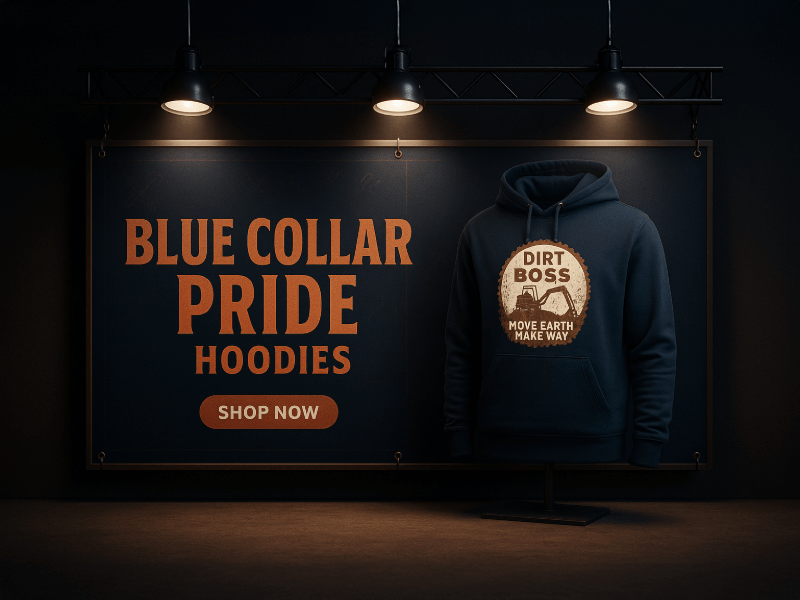
Simultaneously, Gen Z is embracing 'unofficial work uniforms' characterized by high durability, utility, and comfort. This trend, connecting strongly with our Blue Collar Pride collection, emphasizes longevity. The DPP supports this by requiring brands to detail repairability and expected lifespan. Products made to last, potentially using PETA-Approved Vegan materials and focusing on robust construction, directly align with the DPP’s goal of reducing textile waste through extended product use. Quality materials and traceable supply chains are now regulatory requirements.









0 comentarios