

Why is Gen Z Choosing Trade School Over Traditional Degrees to Future-Proof Their Careers?
💡 Key Takeaways
- The "Toolbelt Rebellion" signifies Gen Z's major shift toward vocational education as a shield against AI automation.
- Enrollment in US trade schools has surged 20% as students seek tangible skills that remain resilient in the digital economy.
- The AI boom itself fuels demand for technical roles (data center infrastructure, maintenance) that cannot be easily outsourced or automated.
- Consumers are demanding genuine sustainable certification (like GOTS or Fair Trade), pushing companies toward verified transparency over greenwashing.
The Rise of the Toolbelt Generation
The latest data confirms a significant pivot: enrollment in vocational schools and skilled trades programs has increased by 20%. This movement, dubbed the "Toolbelt Rebellion," is Gen Z’s powerful response to the perceived threat of AI displacement. Rather than pursuing saturated white-collar fields susceptible to large language model disruption, this generation is investing in tangible, necessary skills—from electrical work and plumbing to welding and advanced manufacturing—that require human dexterity and problem-solving.
Future-Proofing Careers Against Automation
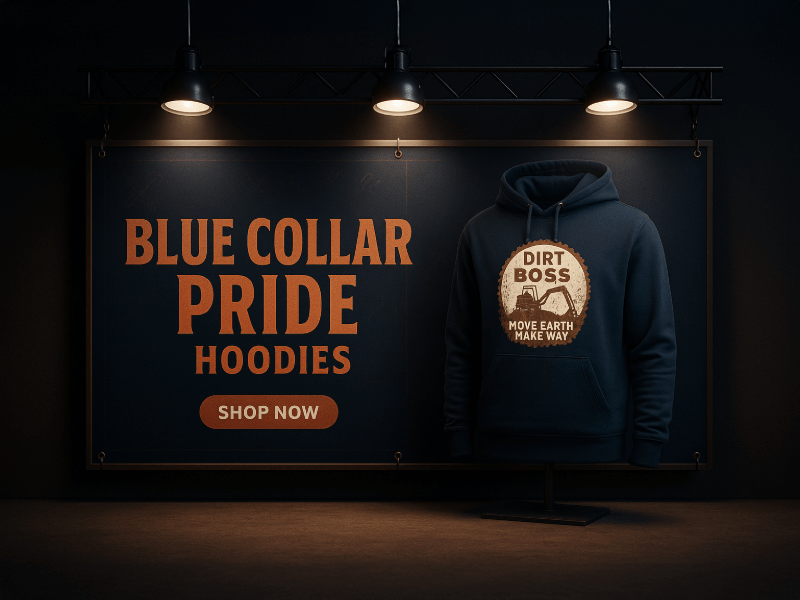
The core strategy behind this trend is career resilience. While generative AI excels at processing data and producing content, it cannot build, repair, or maintain physical infrastructure. According to the World Economic Forum, key infrastructure roles will see increasing demand fueled, ironically, by the AI boom itself—specifically, the massive data centers required to power machine learning algorithms. This dynamic creates a perpetual need for the precise, hands-on expertise celebrated in our Blue Collar Pride collection.
The Digital Craftsman: Merging Tech and Tools
Modern skilled labor is far from traditional. As depicted in market visuals, today's tradesperson is a digital craftsman, integrating advanced analytics, diagnostics via tablets, and robotic assistance into their workflow. They are not just using a wrench; they are interpreting real-time data on system performance, often managing complex climate tech installations. This synthesis of physical skill and digital proficiency makes the job role indispensable, bridging the gap between physical reality and digital control systems.
The Demand for Authentic Sustainability
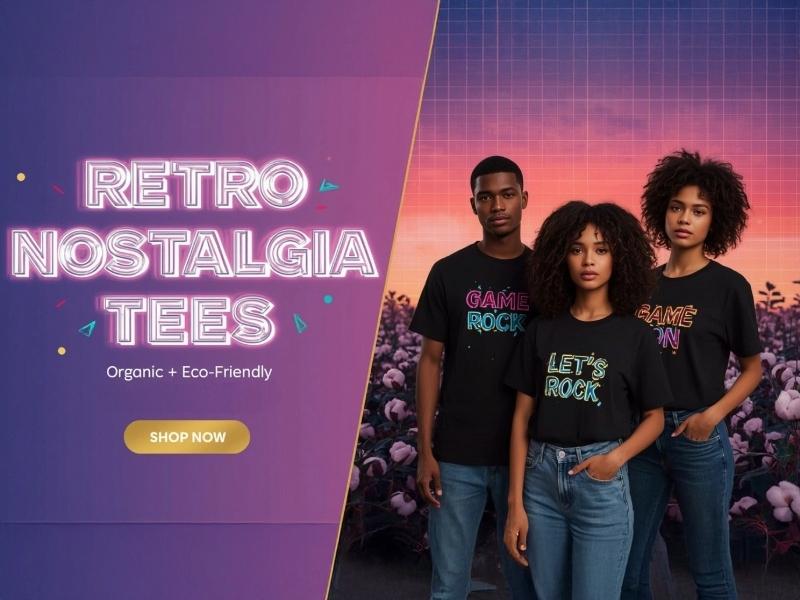
The demand for authenticity extends beyond career paths and into consumption. The recent push for the EU Green Claims Directive signals the end of marketing materials that use unverifiable "eco-friendly" terms. Consumers, particularly the digitally savvy Gen Z, are demanding verifiable transparency. This shift benefits brands committed to certifications like GOTS, GRS, and PETA-Approved Vegan, ensuring that the entire supply chain—often reliant on skilled labor—adheres to strict social and environmental standards.
Celebrating the Skill-Based Economy
Design Delight Studio recognizes and celebrates this generational shift. Our mission is to provide sustainable, certified streetwear that honors the niche communities driving innovation. Whether you are a technician connecting the AI-Energy nexus (Nerd Nation) or a student mastering a valuable trade (Blue Collar Pride), embracing skills that connect you directly to the physical world is the ultimate way to secure a confident future.









0 comentarios