

Why Is Niche Streetwear Rejecting 'Collab Slop' and Prioritizing Certified Quality?
💡 Key Takeaways
- Gaming and niche communities are actively rejecting low-effort, low-quality licensed merchandise, branding it as 'Collab Slop.'
- The market is seeing a major pivot towards heavyweight material density, with 400+ GSM becoming the benchmark for durable, verified-tough apparel.
- New regulatory pressure is forcing brands to use verifiable certifications, like GOTS and Fair Trade, to avoid legal issues related to generic "eco" claims.
- Consumers are prioritizing transparency and investing in brands committed to ethical sourcing validated by standards such as GRS and PETA-Approved Vegan.
The 'Collab Slop' Rebellion in Niche Communities
The honeymoon phase for low-effort, mass-produced licensed merchandise is officially over. Across platforms, communities—especially those dedicated to gaming (Gamer Grid) and niche culture—are voicing unified disapproval of what they term "Collab Slop": products that prioritize quick cash over design integrity and material quality. Consumers are no longer accepting generic tees with a logo slapped on them. They view this practice as anti-consumer and a sign of disrespect for their culture, demanding pieces that offer meaningful design and long-term durability, moving away from fast-fashion cycles.
The Heavyweight Revolution: Setting the Quality Benchmark
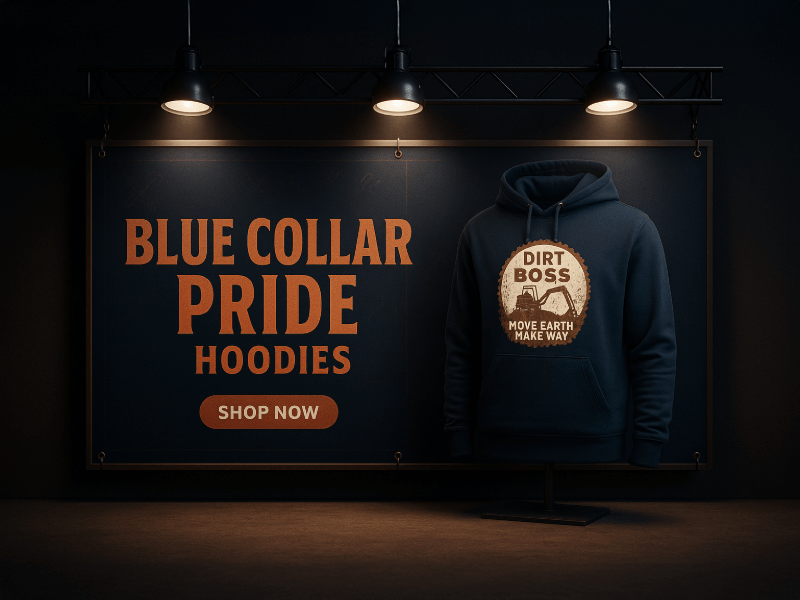
In response to the demand for durability, material quality has become the new status symbol. Trend data shows a significant market shift toward heavyweight textiles. For hoodies and sweatshirts, anything under 400 GSM (Grams per Square Meter) is increasingly perceived as inadequate. This pivot reflects a desire for apparel that is built to last—a key characteristic of our Blue Collar Pride collections. Brands leveraging certified materials, such as GOTS organic cotton and GRS recycled fibers, are best positioned to meet this new standard of tangible quality and resilience.
The Greenwashing Reckoning and Mandatory Transparency
Alongside the push for physical quality, ethical transparency is undergoing legal standardization. The introduction of strict directives is banning generic marketing terms like "eco-friendly" or "sustainable" without rigorous, demonstrable proof. This shift mandates that claims must be backed by verifiable evidence. For responsible streetwear brands, this means leaning heavily on established third-party certifications. Consumers now look specifically for tags such as Fair Trade, OCS (Organic Content Standard), and PETA-Approved Vegan to ensure that ethical practices are non-negotiable and legally compliant.
Designing for the Conscious Niche
The convergence of these trends—the Collab Slop backlash, the demand for heavyweight substance, and mandatory anti-greenwashing measures—signals a maturation of the consumer market. Niche communities are transforming from passive recipients of licensed goods into confident, critical investors who value longevity and documented ethical sourcing. Design Delight Studio is committed to meeting this demand by focusing on durable construction and maintaining radical transparency across our entire supply chain.








0 条评论