

What is the 'Blue-Collar Renaissance' and Why is Durable Workwear Trending?
💡 Key Takeaways
- The 'Blue-Collar Renaissance' is a major cultural shift, popularized by movements like #TradeTok, celebrating authenticity and skilled craftsmanship.
- This market demands durable apparel that can stand up to the rigorous needs of tradespeople, prioritizing certifications like GOTS for superior longevity.
- Sustainable apparel labeling acts, anticipated in 2026, are increasing demand for transparency regarding materials (GRS) and ethical labor (Fair Trade).
- Style convergence means functional utility wear is crossing over into high-quality, investment-focused streetwear.
The Cultural Shift: From Uniform to Identity
The rise of the skilled trades—dubbed the 'Blue-Collar Renaissance'—marks a significant cultural movement. Driven by platforms like TikTok, where the hashtag #TradeTok showcases the authenticity and complexity of vocational work, the trades are gaining renewed respect. This shift moves the worker aesthetic beyond simple uniform and establishes it as a powerful identity. Consumers are looking for apparel that embodies this pride—functional gear that reflects competence and stands the test of time, both on the job and in everyday life.
Why Durability Must Be Sustainable: The GOTS Standard
For those in the trades, durability is not a luxury; it is a necessity. Frequent replacement of low-quality clothing is unsustainable, both environmentally and economically. This is why the principles of sustainable certification align perfectly with the needs of the skilled workforce. When seeking true quality, certifications like GOTS (Global Organic Textile Standard) are paramount. GOTS ensures that organic fibers are processed under stringent environmental and social conditions, resulting in textiles that possess inherent strength, density, and resilience—the very definition of GOTS Durability.
Merging Utility and Streetwear for the Modern Artisan
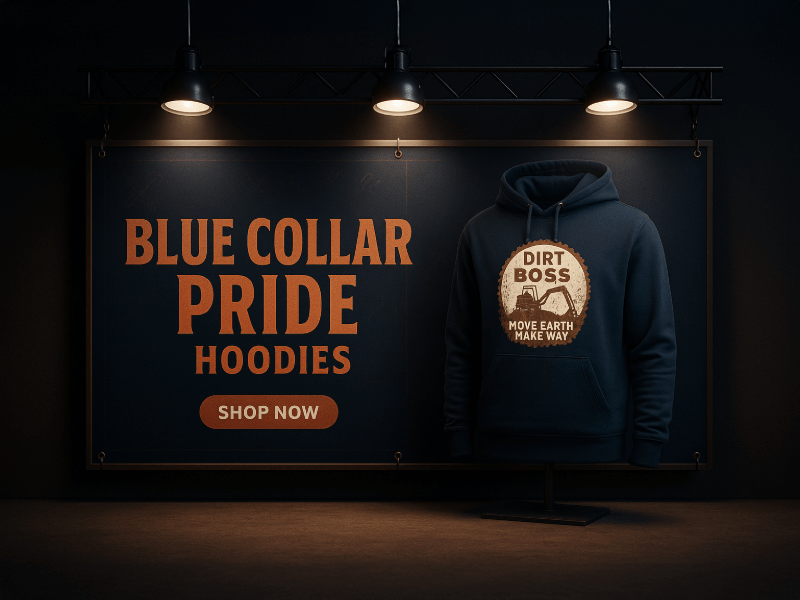
Design Delight Studio's Blue Collar Pride collection synthesizes this trend, offering clothing that respects the aesthetic of the artisan while delivering contemporary comfort. This movement focuses on performance details—like reinforced stitching and functional pocket placement—combined with the transparency of certifications like GRS (Global Recycled Standard) for materials and Fair Trade for ethical production. These garments are investment pieces designed to honor the work ethic of the modern builder, maker, and technician.
Looking Ahead: Transparency and AI in the Modern Workplace
Beyond the physical tools of the trade, the industry is also navigating digital evolution. While the 'AI Slop' backlash highlights the demand for authentic, human-generated content in digital spheres (Nerd Nation), new federal regulations regarding apparel transparency (like the expected 2026 labeling act) are demanding authenticity in physical goods as well. This collective focus on genuine quality—whether in craftsmanship or clothing certification—reinforces the core values driving the 'Blue-Collar Renaissance': skilled work, tangible results, and uncompromising standards.








0 条评论