

Ever feel overwhelmed by the barrage of visuals that seem to contradict the principles of sustainability?
In a world saturated with images and messages, showcasing sustainability effectively can feel like a daunting task.
At Design Delight Studio, we understand the challenge of effectively communicating your sustainable ethos through visuals without losing authenticity.
Today, we’ll explore how to beautifully articulate your commitment to sustainability through visual communication, bringing both clarity and style to your designs.
Join the Sustainable Style Revolution
Key Takeaways
- Sustainability in visuals requires a deep understanding of eco-friendly principles.
- Selecting the appropriate medium is essential for effectively conveying sustainability messages.
- Incorporating eco-friendly design elements can enhance the impact of visual communication.
- Color choices and imagery play a critical role in representing sustainable themes.
- Learning from successful case studies can inspire the creation of your own sustainable visuals.
Understanding Sustainability in Visual Communication
Ever feel overwhelmed by how to transparently showcase sustainability in your visuals?
It’s a common challenge for brands striving to make an ethical impact.
Let’s break it down.
First, focus on using imagery that highlights sustainable materials and processes.
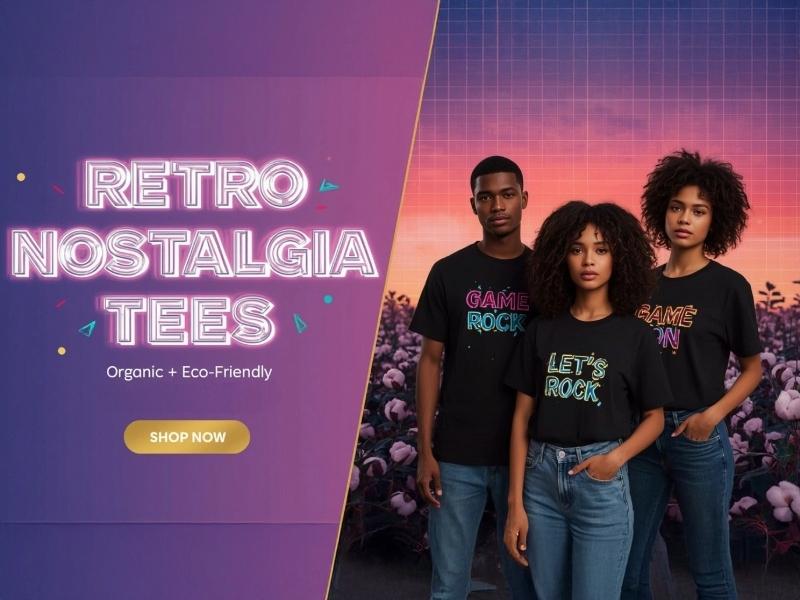
For instance, illustrations or photographs of organic cotton fields or recycled materials in production speak volumes.
Next, utilize infographics to visually communicate product certifications like Global Recycled Standard (GRS) or GOTS—these are not just labels; they represent a commitment to ethical sourcing and production.
Also, don’t underestimate the power of storytelling; incorporate behind-the-scenes processes that reveal your dedication to sustainability.
This could involve showing your design team at work or the artisans behind your products.
Finally, be transparent about what sustainability means for your brand, guiding customers through the journey of ethical decision-making in a visually engaging way.
Remember, your visuals can transform the mundane into a compelling narrative, fostering a deeper connection with your audience while reinforcing your commitment to a sustainable future.
It’s not just about selling products; it’s about inviting customers to join a movement that celebrates conscious design.
Choosing the Right Visual Medium for Sustainability
### Choosing the Right Visual Medium for Sustainability Ever feel that your message about sustainability gets lost in a sea of visuals?
The truth is, showcasing sustainability through visuals is not only an art but also a meaningful responsibility.
So, how do you effectively communicate your commitment to ethical practices and eco-friendly materials?
Here are some insightful strategies to consider:
• Utilize Authentic Imagery: Use actual images from your production process, such as the sourcing of materials or artisans at work.
This emphasizes transparency and connection with the community.
- Infographics: These can break down complex information like certifications (such as GRS, GOTS, OCS) and the sustainability impact of your materials.
A visually engaging infographic can make your data digestible and attractive.
- Storytelling through Video: Short videos that illustrate the journey of your products, from the ideation phase to the finished piece, resonate more with audiences.
It’s a powerful way to engage emotions and illustrate the ethical considerations behind each design.
- Color Palette: Choose earthy tones that reflect nature.
Vibrant and bold colors can be impactful, but soft, muted hues often convey a sustainable vibe that aligns with eco-conscious branding.
By thoughtfully selecting your visual mediums, you not only highlight your commitment to sustainability but also foster trust with your audience.
Remember, your visuals should not just impress but also educate, reflecting your brand’s purpose and mission in the conscious fashion landscape.
'The greatest threat to our planet is the belief that someone else will save it.' – Robert SwanJoin the Sustainable Style Revolution

Incorporating Eco-Friendly Elements in Design
### Incorporating Eco-Friendly Elements in Design: How to Showcase Sustainability in Visuals Ever feel overwhelmed by the choices in eco-fashion?
You’re not alone.
With so many brands claiming sustainability, it can be tricky to distinguish genuine eco-friendly practices from mere marketing buzz.
At Design Delight Studio, we believe that showcasing sustainability in visuals is a powerful way to communicate our commitment to ethical fashion.
Here’s how you can do it effectively:
• Use Natural Colors: Colors inspired by nature—earthy tones, pastels, and rich greens—can evoke the essence of sustainable practices.
They create a calming aesthetic that resonates with eco-conscious consumers.
• Highlight Sustainable Materials: Showcase fabrics like organic cotton, Tencel, or Hemp, which are GOTS certified, meaning they’re produced without harmful chemicals.
Use visuals that depict textures, patterns, and benefits of these eco-friendly materials.
• Transparent Processes: Share behind-the-scenes visuals of your design and production process.
Infographics or step-by-step videos can illustrate how you ethically source materials, ensuring your audience understands the journey each product takes.
• Incorporate Upcycled Elements: If applicable, integrate images of upcycled materials or designs that reflect innovative recycling.
This not only tells a story but also inspires others to rethink waste.
• Eco-Friendly Packaging: Show your commitment to sustainability through visuals of biodegradable or recycled packaging.
Incorporate these elements into your branding visuals to reinforce your commitment to the planet.
By thoughtfully integrating these visual elements, you not only enhance your design portfolio but also communicate your ethos in a way that resonates deeply with conscious shoppers.
At Design Delight Studio, we’re more than just a brand; we’re a community invested in a sustainable future.
Join us on this journey by becoming a part of the sustainable style movement—👉 [Join the Sustainable Style Revolution](https://designdelightstudio.myshopify.com/pages/join-the-sustainable-style-revolution) and receive early product drops, behind-the-scenes content, and eco-fashion insights.
Utilizing Color and Imagery to Represent Sustainability
Ever feel overwhelmed by the challenge of conveying sustainability in visuals?
In today's fast-paced digital world, weaving the concept of sustainability into your creative imagery isn't just a trend; it's a necessity.
Here’s how to effectively showcase sustainability in visuals:
• Choose Earthy Color Palettes: Opt for colors that reflect the natural world—greens, browns, blues, and muted tones.
These colors not only resonate with eco-conscious themes but also evoke feelings of calm and connection to nature, essential for fostering an emotional bond with your audience.
• Incorporate Natural Textures and Patterns: Use imagery that highlights organic materials like cotton, linen, or recycled fabrics.
Close-ups of the texture can tell a story of authenticity and craftsmanship, reinforcing your commitment to ethical sourcing.
• Engage with Transparent Storytelling: Show the lifecycle of your materials through visuals—infographics, timelines, or videos showing the transformation from raw material to finished product create an engaging narrative that builds trust and awareness.
• Utilize Symbolic Imagery: Symbols like leaves, water, or the recycling logo can instantly convey sustainability without requiring extensive text.
Pair these elements with your core brand visuals to create a cohesive message that resonates with eco-conscious consumers.
• Highlight Community and Fair Practices: Imagery that showcases your partnerships with artisans or fair labor practices can illustrate the real human stories behind your brand, fostering a deeper connection with your audience.
In conclusion, by thoughtfully integrating these visual strategies, you can empower your brand to not only inform but also inspire your audience to embrace sustainability.
At Design Delight Studio, we believe in the power of visuals to drive change and foster a sustainable style revolution.
.
👉 Join the [sustainable style revolution](https://designdelightstudio.myshopify.com/pages/join-the-sustainable-style-revolution) to receive early product drops, behind-the-scenes content, and eco-fashion insights.

Case Studies: Successful Visual Campaigns for Sustainability
### Case Studies: Successful Visual Campaigns for Sustainability Ever feel overwhelmed by the challenge of making sustainability visually appealing?
You're not alone.
Many brands struggle with communicating their commitment to eco-friendly practices through compelling visuals.
However, by understanding how to showcase sustainability in visuals, brands can engage and inspire audiences effectively.
1.
Patagonia: The 'Don’t Buy This Jacket' Campaign Patagonia is a pioneer in advocating for sustainable practices through powerful visual storytelling.
Their infamous 'Don’t Buy This Jacket' campaign used stark imagery to convey a bold message.
Instead of promoting consumerism, the campaign encouraged customers to think twice about their purchases.
It featured minimalistic graphics alongside a clear message about the environmental impact of overconsumption.
This honesty resonated deeply with consumers, leading to a surge in brand loyalty.
2.
Ikea: The 'Better Air' Campaign Ikea’s 'Better Air' campaign showcased its commitment to sustainability by using visuals of clean, sunny environments filled with greenery.
The campaign highlighted how Ikea’s sustainable furniture not only helps reduce carbon footprints but also improves living spaces.
Visuals featured diverse families enjoying their homes, emphasizing emotional connections and the benefits of sustainability.
By associating their products with happiness and well-being, Ikea successfully managed to showcase sustainability as a lifestyle choice.
3.
Design Delight Studio: The Art of Transparent Design At Design Delight Studio, we practice what we preach by incorporating transparency into our visual narratives.
Our product images not only highlight beautiful designs but also tell the story behind the sustainable materials we use.
Each collection comes with a visual guide detailing our certifications – such as GRS, GOTS, and OCS – ensuring our customers know they are making an eco-conscious choice.
By showcasing the tangible impact of our designs, we invite shoppers to feel a personal connection to ethical fashion.
### Key Takeaways on How to Showcase Sustainability in Visuals
• Clear Messaging: Use visuals that communicate your ethical values clearly.
• Emotional Connection: Create relatable visuals that evoke feelings of happiness and responsibility.
• Transparency: Don’t shy away from showing your sourcing process, certifications, and the stories behind your products.
• Stunning Aesthetics: Ensure that sustainable visuals are not just informative but are aesthetically appealing to attract and sustain consumer interest.
By incorporating these strategies, you can effectively showcase sustainability in your visual campaigns, building trust and inspiring action among your audience.
Join us at [Design Delight Studio](https://designdelightstudio.myshopify.com/pages/join-the-sustainable-style-revolution) as we embark on a journey toward a more sustainable future, and stay updated on exclusive drops and eco-fashion insights!
Tips for Creating Your Own Sustainable Visuals
Creating visuals that effectively showcase sustainability is essential for brands committed to ethical design.
Start by choosing a natural color palette that reflects organic materials—think earthy tones like greens, browns, and soft neutrals.
Incorporate imagery of raw materials—showing fabrics, textures, and the environment from which they come—helps convey a genuine commitment to sustainability.
Utilize infographics to educate your audience on certifications like GOTS and GRS; this not only informs but builds trust.
When crafting lifestyle photography, consider featuring real people and communities who benefit from fair labor practices, emphasizing the human aspect behind your products.
Finally, don’t shy away from transparent storytelling—share behind-the-scenes processes of how your designs come to life, reinforcing authenticity and connection.
Remember, sustainable visuals are not just about aesthetics; they are about creating an emotional bond that inspires conscious decision-making.
Frequently Asked Questions
What does sustainability in visual communication mean?
Sustainability in visual communication refers to the practice of creating designs and visuals that not only convey messages about environmental responsibility but also utilize eco-friendly materials and methods in their production.
Which visual mediums are best for showcasing sustainability?
Some effective visual mediums for showcasing sustainability include digital media, print materials made from recycled paper, and installations that use natural or upcycled materials.
Choosing a medium that aligns with your message is key.
How can I incorporate eco-friendly elements into my designs?
You can incorporate eco-friendly elements by using sustainable materials, selecting eco-conscious printing processes, minimizing waste in your designs, and integrating symbols or imagery that represent sustainability, such as leaves or earth tones.
What colors and imagery work well to represent sustainability?
Colors like green, brown, and blue often evoke feelings of nature and sustainability.
Imagery such as plants, landscapes, recycling symbols, and renewable energy sources can effectively communicate a commitment to sustainability.
Can you provide examples of successful visual campaigns for sustainability?
Yes, successful campaigns include WWF's 'Earth Hour' campaign, which uses dark visuals to emphasize energy conservation, and Nike's 'Move to Zero' campaign that effectively integrates eco-friendly elements in their branding visuals.
About Design Delight Studio
Design Delight Studio is an ethical fashion brand creating certified sustainable apparel that blends art, ethics, and self-expression. Each piece is made with integrity and intention. Join our sustainable style revolution to stay inspired and make conscious fashion choices with confidence.





0 comentarios