

I first unboxed a “sustainable” product. I smelled sharp chemical ink. The cardboard claims it is eco‑friendly. The branding tells of clean ingredients. But the ink smell contradicts the claim. I then started to research plant based inks. I learned that ink can drive sustainable packaging and printing.
Today, brands, designers, and home‑based makers rethink how they color paper, boxes, bags, and labels. Plant‑derived inks protect brand image and the planet. They do this without losing print quality.
Why You’ll Love It: The Case for Plant Based Inks
Plant based inks come from soy, linseed, canola, or other vegetable oils. They now replace many petroleum‑based inks in sustainable packaging and eco‑friendly printing. Here are some reasons people switch:
- Cleaner ingredients, fewer fossil fuels – Traditional inks come from petroleum and hold high levels of VOCs. Plant based inks start with renewable oils. They reduce dependence on fossil fuels and improve air quality during printing.
- Better for recycling and composting – Plant based inks use plant oils and cleaner pigments. They ease deinking, which is the removal of ink during recycling. This creates better recycled pulp and helps some packaging compost when certified.
- Rich, vibrant color performance – Many think eco‑friendly inks look dull. Modern plant based inks deliver clear detail, strong color density, and shine. They often match or exceed traditional inks.
- Lower VOCs for healthier print environments – The EPA notes that printing can emit many VOCs. Using low‑VOC or VOC‑free systems, like plant based inks, cuts those emissions. This benefits workers and air quality. (See the EPA’s guidance on VOCs and printing for more detail: EPA.)
- Stronger sustainability storytelling – If you already use organic cotton, recycled paper, or FSC‑certified board, plant based inks complete your story. Customers notice this detail when they scan your label or hangtag.
At Design Delight Studio, we link our graphics to certified fabrics and low‑impact inks. This way, your tees and printed elements match from start to finish. You can explore how we review fibers and finishes on our certifications page.
Style It Your Way: Where Plant Based Inks Show Up in Real Life
Plant based inks are important in packaging and commercial printing. They also change apparel and everyday design. Here are clear ways they are used and styled.
Outfit Ideas: Wearable Printing with a Lighter Footprint
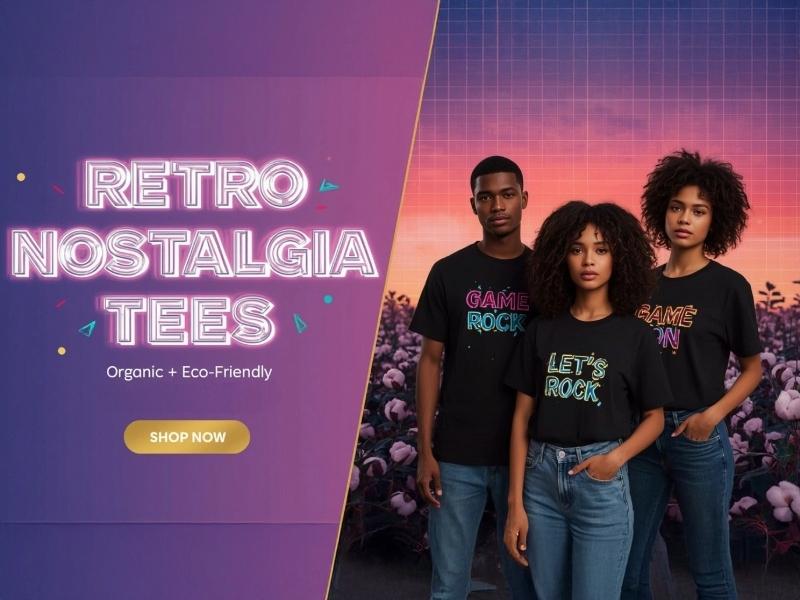
- Statement graphic tees – Think of a retro gaming design printed with plant based inks on GOTS‑certified organic cotton. You get bold color and low‑impact material. Match it with vintage jeans and sneakers for a sustainably cool look.
- Layer‑friendly basics – Simple line art or minimalist logos in soft tones work well with plant based pigments. Wear them under open shirts or jackets. The print lasts many washes and stays soft, unlike heavy synthetic inks.
- Seasonal drops – Limited‑run holiday or fandom designs use plant based inks to celebrate themes without harsh chemicals. When the season ends, the fabric and ink fit a circular future.
Gifting Ideas: Sustainable Prints That Actually Mean It
- Gift‑ready tees – For eco‑conscious friends, choose an organic tee printed with plant based inks. It is a gift they will wear and value, showing care for design and impact.
- Custom fan merch – Gamers, sci‑fi fans, and nostalgia lovers treasure detail. A crisp plant‑ink print of an 8‑bit world or classic console becomes a long‑lasting gift. It respects passion and the planet.
- Low‑waste wrapping – Wrap a gift with recycled kraft paper. Print the tag or card with plant based inks. This package feels united and eco‑responsible.
Everyday Use: From Shipping Boxes to Shelf Presence
- E‑commerce mailers & boxes – If you run a small brand, print your logo, care notes, or fun messages on your mailers with plant based inks. It is a simple step toward a cleaner supply chain.
- Labels & tags – Garment labels, swing tags, and care cards tell your sustainability story. When printed with plant based inks on recycled or organic paper, every detail reinforces your values.
- Retail displays – Shelf talkers, posters, and in‑store signs made with low‑VOC plant based inks improve a shop’s air quality. They also strengthen a green message.
Eco Matters: Certifications, Free Shipping, and Our Low‑Waste Promise
Ink is one part of a full sustainability plan. To build trust, it must work with strong certifications and clear practices.
Understanding Certifications: GOTS, GRS, and OEKO‑TEX
- GOTS (Global Organic Textile Standard) – GOTS certifies organic fibers. It also limits the inks and dyes on textiles. This choice ensures safer chemistry from farm to garment.
- GRS (Global Recycled Standard) – GRS checks products made with recycled materials. It sets rules for chemical use. Together with recycled fibers and careful inks, we meet these rules.
- OEKO‑TEX – OEKO‑TEX Standard 100 tests finished products for toxins. A product with OEKO‑TEX certification has met strict limits on chemicals.
Learn more about how we match our fabrics, trims, and inks with these benchmarks on our certifications page.
Free Shipping, Thoughtfully Done
We do offer free shipping above a set order value. We also urge you to combine items into fewer shipments. This reduces transport emissions and packaging waste. Buying more in one order supports an efficient logistics footprint.
Our Low‑Waste Promise
Plant based inks are one part of our low‑waste plan:
- On‑demand or small‑batch printing – We print only what is needed. This stops deadstock and overproduction.
- More mindful materials – We choose organic, recycled, or responsibly sourced fibers for our prints. We explain our choices on our Organic Promise page.
- Better fiber‑ink matchups – Using plant based inks on recyclable or compostable substrates keeps recovery options open. For more on fiber choice, see our overview on the environmental impact of cotton.
FAQs About Plant Based Inks, Sizing, and Shipping
1. Are plant based inks as durable as traditional inks on clothing and packaging?
Yes. When printed correctly, plant based inks are very durable. They bond well with cotton, paperboard, or kraft mailers. On garments, proper curing stops cracking and fading. On packaging, they stick well and resist rubbing during handling.
2. How do your sizes run, and does the ink affect the feel of the fabric?
Our tees run true to size with a modern unisex fit. Check the size chart on each product page. Consider sizing up if you like an oversized look. Plant based inks are thinner and more flexible than some plastisol or solvent‑based inks. This means:
- The print feels soft and breathable.
- The fabric does not get a heavy “rubberized” texture.
This gives you a comfortable, wearable print on organic or lightweight cotton.
3. What about shipping, returns, and packaging sustainability?
We use minimal, recyclable, or reusable materials to pack orders. We partner with printers and suppliers that use plant based inks or low‑VOC systems. Shipping is free above a displayed order value. We accept returns on unworn, unwashed items in the stated time window. Return instructions come with your order and on our help pages. We then reshelve or handle returns responsibly to cut waste.
4. Are plant based inks certified or tested for safety?
Plant based inks usually do not come with a separate consumer label. They are chosen to meet strict standards such as GOTS or OEKO‑TEX on textiles and packaging. We select inks that help our products meet these standards and avoid heavy metals, high VOCs, or other restricted chemicals.
Behind the Design: Nerdy Prints, Softer Footprint
Our journey with plant based inks started with design, not in a lab. Our graphics come from gaming nostalgia, retro tech, and clever in‑jokes. We wanted our prints to match the care of our design work.
Think of a shirt with a stylized 16‑bit world map or a blueprint of a classic console controller. The design is playful and rooted in gamer culture. We use certified organic fabric and plant based inks so that:
- The colors are crisp. They do justice to pixel art and fine lines.
- The print does not form a plastic “shield” over the design. The tee stays soft.
- The chemistry behind the graphic fits the future we want. We use less waste, fewer fossil inputs, and more renewable content.
We treat details with care, like a level design or character stats. Our audience of gamers and pop‑culture fans cares about how things are made. Plant based inks are a quiet, nerd‑approved upgrade. They work behind the scenes to complete the whole system.
Conclusion: Print the Future You Want to See
Sustainable packaging and printing do more than swap materials. They rethink every layer—from the fiber in the fabric to the ink on the label. Plant based inks reduce fossil fuel use, cut VOC emissions, and improve recycling and composting. They also deliver the vibrant color modern brands need.
Whether you are a designer, a small brand, or a fan who cares about values, the ink you choose matters. It makes a difference.
Explore our certified organic tees and printed designs. See how plant based inks come to life on fabric at Design Delight Studio. Explore our certified organic tees now at Design Delight Studio.
Design Delight Studio is based in Boston, MA. We use certified organic cotton, water‑based inks, and recyclable packaging for every order. Free U.S. shipping. Need custom or bulk design? Contact us at designdelightstudio24@gmail.com or visit https://designdelightstudio.myshopify.com/pages/contact-design-delight-studio.









0 comentarios