

What Are the GRS and OCS Certifications, and Why Do They Matter for Industrial Strength Gear?
💡 Key Takeaways
- GRS (Global Recycled Standard) is the 'cheat code' guaranteeing that your gear contains verified recycled materials.
- OCS (Organic Content Standard) verifies the percentage of organic raw material in a product, providing crucial accountability.
- These certifications move sustainability from vague claims to measurable, 'Receipts Included' facts, essential for high-stat, durable apparel.
- Choosing certified gear supports supply chain transparency and responsible labor practices from the ground up.
What Industrial Strength Really Means
In the world of professional trades and hardworking apparel, strength isn't just about weight—it's about reliability and accountability. The materials that make up your gear need to stand up to demanding environments. That’s why we treat sustainability certifications not as soft ethics, but as ‘High Stat Gear’ upgrades. When we talk about GRS and OCS, we are talking about verifiable, third-party audited proof that your apparel meets industrial-grade standards for responsible sourcing.
GRS: The Global Recycled Standard Cheat Code
The Global Recycled Standard (GRS) is the ultimate ‘Cheat Code’ for verifying recycled content. It addresses the global challenge of textile waste by ensuring that garments claiming to be recycled actually are. The GRS tracks the materials from the recycler to the final product, verifying the actual percentage of recycled content, as well as maintaining strict environmental and social requirements throughout the entire production chain. If your gear carries the GRS logo, you have the industrial strength assurance that its materials were given a second life, reducing waste and conserving resources.
OCS: Organic Content Standard Verification
For materials like cotton, knowing the true origin is non-negotiable. The Organic Content Standard (OCS) provides the 'Receipts Included' verification for organically grown raw materials. The OCS tracks the flow of organic material through the supply chain, providing a crucial check against greenwashing. Whether it's OCS 100 (for 95% to 100% organic fiber) or OCS Blended (for 5% minimum organic content), this certification ensures transparency about what you are wearing.
Why These Certifications Are Essential for Durable Gear
Durability in workwear isn't just about stitching; it starts with the raw material. Using certified materials—like those verified by GRS and OCS—ensures a higher standard of input quality. These third-party audits verify not only the material content but also the ethical and environmental handling during processing, which often leads to cleaner, stronger, and more consistent fabric batches. For the Blue Collar community, this level of verified quality translates directly into gear that lasts longer and performs better on the job.
Accountability in the Supply Chain
Certifications like GOTS and Fair Trade complement GRS and OCS by completing the supply chain integrity picture. While GRS/OCS verify material content, Fair Trade ensures responsible worker compensation and GOTS sets high benchmarks for environmental processing. This holistic approach guarantees that every piece of gear you buy from us is ethically sourced and audited. We provide the transparency so you can focus on the job.
Find Your Certified Apparel Upgrade
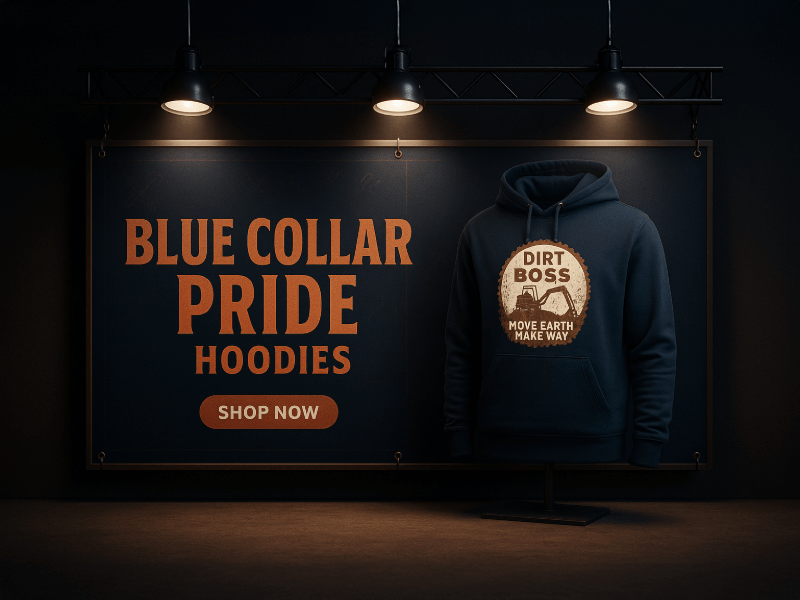
Ready to upgrade your stats? Look for the GRS and OCS logos on our durable tees and rugged hoodies. We believe that true industrial strength is built on transparency. Check out our resource, 5 Shocking Facts About Your Cotton T-Shirt, to understand the foundational issues these certifications solve.








0 comentarios