

I stand in a trendy sportswear store. I hold a sleek, new jacket in my fingers. The tag claims “Made from recycled polyester bottles – a sustainable choice!” A smiling sales associate adds, “This is one of our most eco-friendly pieces.”
I feel good. That feeling lasts about five minutes.
Later that night, my curiosity grows. I search for the truth behind recycled polyester. I ask: What does it mean? How is it made? What happens after I wear it? The deeper I dig, the more I see an uncomfortable truth. The feel‑good “bottle to jacket” story does not tell the whole tale. Much of what we hear about recycled polyester is selective marketing. It reassures us without sharing all the facts.
This article explains recycled polyester in plain, clear language. You can then make clothing choices that truly match your values – not just a catchy hangtag slogan.
Why You’ll Love This Deep Dive (Even If It Challenges Your Wardrobe)
- Clear, no-spin explanation: You learn what recycled polyester is, how it is made, and what it can and cannot fix.
- Marketing vs. reality: You see the claims that brands make and the truths they hide.
- Microplastic wake‑up call: You notice that even “eco” synthetics shed plastic into our water and air.
- Better alternatives you can act on: You get practical advice on choosing responsible fabrics, from organic cotton to certified blends.
- Real certifications, not buzzwords: You explore how GOTS, GRS, and OEKO‑TEX actually protect you and the planet.
What Is Recycled Polyester, Really?
Recycled polyester, often called rPET, is a synthetic fibre. It comes mostly from used plastic bottles, off‑cut manufacturing scraps, or post‑consumer polyester textiles. Companies melt plastic instead of using virgin fossil fuels. They spin the melt into new fibres.
At a glance, this idea seems great. Compared with virgin polyester, recycled polyester usually:
- Uses less energy.
- Reduces the need for new fossil fuel extraction.
- Keeps some plastic waste out of landfills and incinerators.
Textile Exchange tells us recycled polyester can lower greenhouse gas emissions compared with virgin polyester, when it is used responsibly. But these numbers do not fix the larger problems of producing and wearing plastic in our lives.
The Truth Brands Don’t Like to Talk About
1. Recycled Polyester Is Still Plastic
Greenwashed campaigns hint that recycled polyester becomes “purified” or “detoxed.” That is not true. At its fibre level, recycled polyester is very much like virgin polyester. It is plastic, made from petroleum.
This means that:
- It does not biodegrade in normal timeframes.
- It releases microplastics when it is washed, dried, or worn.
- It still relies on fossil fuel extraction at some point.
Thus, “recycled” may sound pure, but it is more a detour than a complete solution.
2. The Bottle-to-T‑Shirt Story Is Misleading
Sustainability stories say: “Each T‑shirt saves X plastic bottles from landfill.” What you rarely hear is that those bottles could be recycled again and again. When bottles are made into textiles, they often hit a dead end:
- Mixed fabrics (like cotton with recycled polyester) are very hard to recycle.
- Most worn‑out garments end up in landfills or incinerators, not recycling plants.
- This process effectively downcycles a recyclable material into something much harder to reclaim.
Instead of “saving” bottles, many fashion brands simply remove them from an effective recycling loop. They put these bottles in a stream from which they will rarely return.
3. Recycled Polyester Still Sheds Microplastics
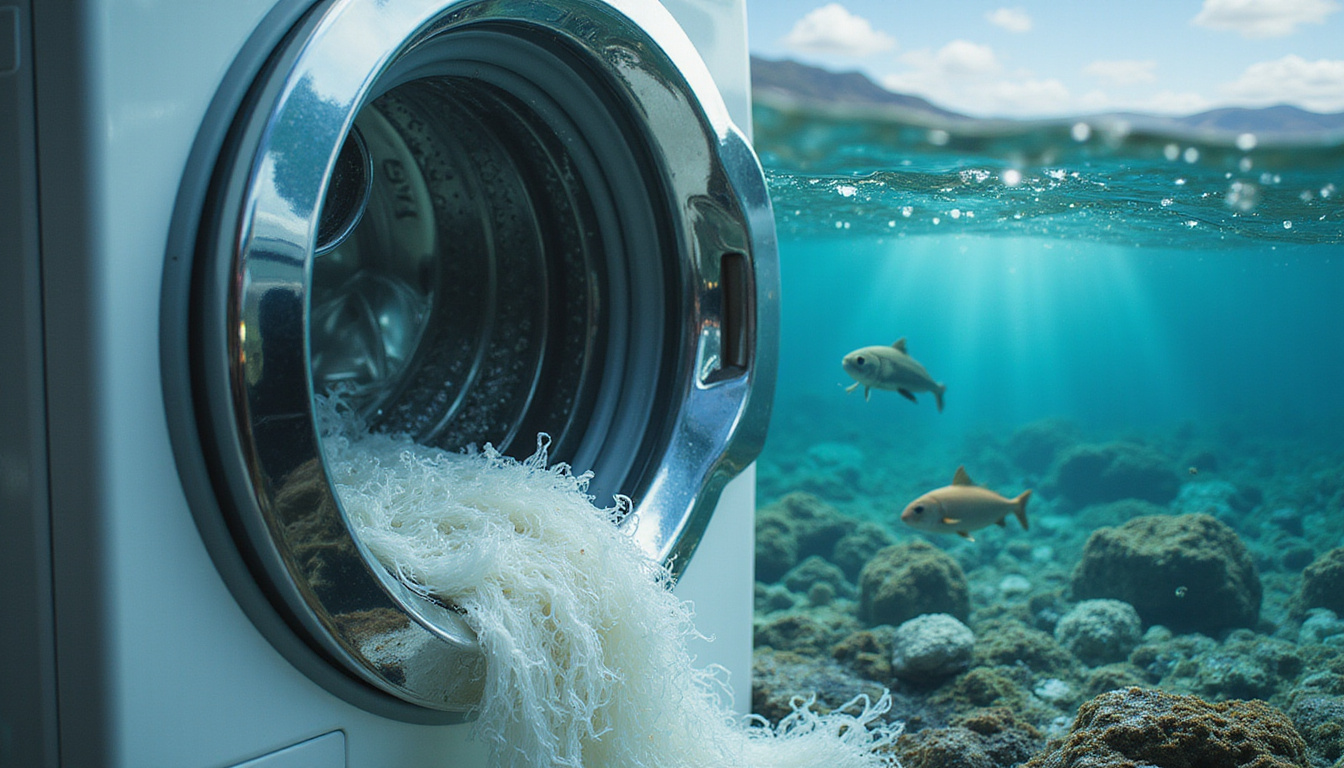
Every time you wash polyester – recycled or not – small fibres break off. These fibres flow into wastewater. Many treatment plants cannot filter out these microplastics. They end up in rivers, oceans, and even in our food and lungs.
A study in Environmental Science & Technology shows that domestic laundry is a major source of microplastic pollution. Recycled polyester does not fix this problem. It only changes where the plastic comes from without changing its behavior.
4. “100% Recycled” Doesn’t Mean 100% Transparent
Some garments show a label for recycled polyester. Others only use a small amount or rely on claims that are hard to check. Without third‑party standards, “recycled” remains a vague term.
This is why certifications like GRS (Global Recycled Standard) matter. GRS‑certified products meet strict criteria for:
- The percentage of recycled content
- Restricted use of harmful chemicals
- Social and environmental standards in production
You can learn more about these standards on our certifications page.
5. Recycled Polyester Is Often a Distraction from Overproduction
The hardest truth is this: even the “greenest” recycled polyester hoodie is not sustainable if it is made in a system that produces billions of garments. Fast fashion depends on:
- Cheap synthetics.
- Rapid trend cycles.
- Large amounts of unsold stock.
Switching from virgin to recycled polyester does not fix these issues. It only makes us feel better about buying more.
Style It Your Way (Without Falling for Empty Eco Claims)
You want clothes that look good, feel good, and do less harm. So what are your options?
Outfit Ideas: Choosing Better Basics
- Everyday tees: Choose GOTS‑certified organic cotton T‑shirts instead of recycled polyester. They breathe, feel soft, and do not shed plastic.
- Layering pieces: For hoodies and sweatshirts, use natural or organic cotton or responsible blends. These give warmth without heavy synthetics.
- Active & athleisure: When you need stretch and quick‑dry features, look for GRS‑certified recycled polyester. Use it carefully and know its origin.
Gifting Ideas with a Conscience
- Graphic tees for gamers & nerds: Pick designs printed on certified organic materials rather than generic polyester. Let the print be fun while the fabric stays responsible.
- Minimalist wardrobe gifts: Select versatile colours in organic cotton or other natural fibres that last long.
- “Conscious bundle” idea: Pair a certified organic tee with a note. Explain why you avoided recycled polyester and how it supports healthier oceans and communities.
Everyday Wear Tips
- Wash garments less often and use gentle cycles to extend life and reduce fibre loss.
- Air‑dry your clothes when you can instead of using high‑heat dryers.
- When you need synthetics for sports, wash them in a microfibre‑catching bag and line dry.
For more details on fabric choices, read our guide on the environmental impact of cotton and why we choose organic over conventional synthetics.
Eco Matters: Beyond “Recycled” – What Real Responsibility Looks Like
We do not bet everything on recycled polyester. Instead, we focus on certified organic fibres, audited supply chains, and low‑waste production. Here is how that works:
GOTS: Global Organic Textile Standard
GOTS is the gold standard for organic textiles. A GOTS‑certified cotton tee means:
- The cotton is truly organic. No GM seeds or synthetic pesticides are used.
- Toxic chemicals are kept to strict limits during processing.
- Worker protection and fairer conditions are required.
This system addresses many issues that recycled polyester ignores, such as soil health and farm‑level pollution.
GRS: Global Recycled Standard
When we use recycled materials sometimes – for example, in limited blends or trims – we choose GRS certification. This ensures that:
- The recycled content is verified. No fake percentages.
- Harmful chemicals are kept to a minimum.
- Every step of the supply chain is tracked.
GRS does not change plastic into something else. It only holds brands accountable for their claims.
OEKO‑TEX: Tested for Harmful Substances
OEKO‑TEX STANDARD 100 tests the finished product for many harmful substances. An OEKO‑TEX‑certified garment gives you peace of mind. It shows that what touches your skin has been checked for toxins.
Free Shipping & Low‑Waste Promise
We also lower our impact in everyday details:
- Free shipping on organic tee orders encourages fewer, more thoughtful purchases instead of constant impulse buys.
- Low‑waste printing and production: We make items to order or in small runs. This avoids mountains of unsold stock common in fast fashion.
- Plastic‑light packaging: We use recyclable or compostable materials instead of polyester‑based plastics.
For a full overview of our promises, visit our Organic Promise and Certifications pages.
FAQs About Recycled Polyester, Sizing & Shipping
Is recycled polyester more sustainable than regular polyester?
In many life‑cycle studies, the answer is yes. Recycled polyester usually uses less energy and fewer virgin fossil resources. Yet it still sheds microplastics, does not biodegrade, and often turns bottle‑grade plastic into hard‑to‑recycle textiles. We view it as a less bad plastic, not a truly sustainable fibre.
Do your tees contain recycled polyester?
Our core collections use GOTS‑certified organic cotton with zero polyester. We want to avoid plastic shedding and microfibre pollution. When we include synthetics for function or durability, we label the fibre content clearly. We also favor GRS‑certified recycled polyester when needed. We never hide it behind vague “eco” language.
How does sizing work, and what if it doesn’t fit?
We use standard unisex sizing for most tees. Each product page comes with a detailed size chart. If you like a looser fit, try sizing up by one. If a tee still does not feel right, our return policy is simple. Return unworn, unwashed items within the return period for an exchange or refund.
What about shipping impacts?
We offer free shipping on qualifying orders. We ask customers to consolidate purchases instead of ordering single items repeatedly. Fewer shipments mean fewer emissions. Our low‑waste, small‑batch model also cuts down on the hidden environmental cost of unsold inventory that many brands do not mention.
Behind the Design: For Gamers, Nerds & Nostalgia Lovers
Much of the talk about fabrics is in tiny print. But the bold part of a garment is its graphic. At Design Delight Studio, we flip that script.
Our inspiration comes from late‑night gaming sessions, pixelated loading screens, retro consoles, fantasy maps, and inside jokes you share with your guild, party, or Discord crew. These designs serve:
- Gamers who remember blowing on cartridges to make them work.
- Nerds who recall sci‑fi lore better than last week’s emails.
- Nostalgia lovers who feel a jolt from an 8‑bit reference or pixel heart.
We ask a simple question: What is the point of a clever, nostalgic graphic if the shirt adds to microplastic pollution with every wash?
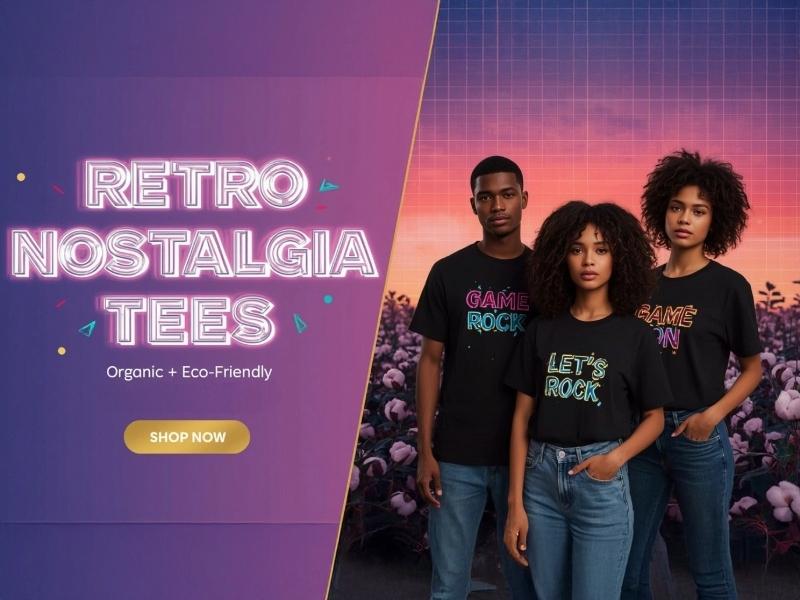
That is why we move away from ultra‑cheap polyester blanks. We build collections on certified organic cotton tees and low‑waste production. Our goal is simple. You wear your fandom, nostalgia, and humour without covering up a marketing story that does not add up.
So… Should You Ever Buy Recycled Polyester?
Recycled polyester is not evil nor a miracle cure. It is a slightly better version of a problematic material. In some cases – like technical outdoor gear or performance wear – it may be the best option available. But it should never be a get‑out‑of‑jail‑free card for endless consumption.
When you see “made with recycled polyester” on a tag, ask yourself these questions:
- Do I really need this garment? Will I wear it more than 30 times?
- Is the brand honest about certifications and percentages, or do they hide behind buzzwords?
- Might a certified organic or natural fibre work just as well?
If more of us ask these questions, “sustainability” will mean more than a marketing catchphrase.
Choose Tees That Match Your Values – Not Just the Tag Line
You do not need to be a textile scientist to shop mindfully. All you need is honest information and a willingness to look beyond the label.
If you are ready to wear graphic tees that celebrate your inner gamer, nerd, or nostalgia‑lover and care more for the planet, explore our collections. They are built on certified organic cotton, clear standards, and low‑waste production.
Explore our certified organic tees now at Design Delight Studio and feel good when the story behind your shirt really adds up.
Design Delight Studio is based in Boston, MA. We use certified organic cotton, water‑based inks, and recyclable packaging for every order. Free U.S. shipping. Need custom or bulk design? Contact us at designdelightstudio24@gmail.com or visit https://designdelightstudio.myshopify.com/pages/contact-design-delight-studio.









0 comentarios