

What is the 'Toolbelt Generation' and Why is Gen Z Choosing Skilled Trades?
💡 Key Takeaways
- Gen Z's pivot toward skilled trades, dubbed the 'Toolbelt Generation,' represents a substantial $244 million economic shift away from conventional university degrees.
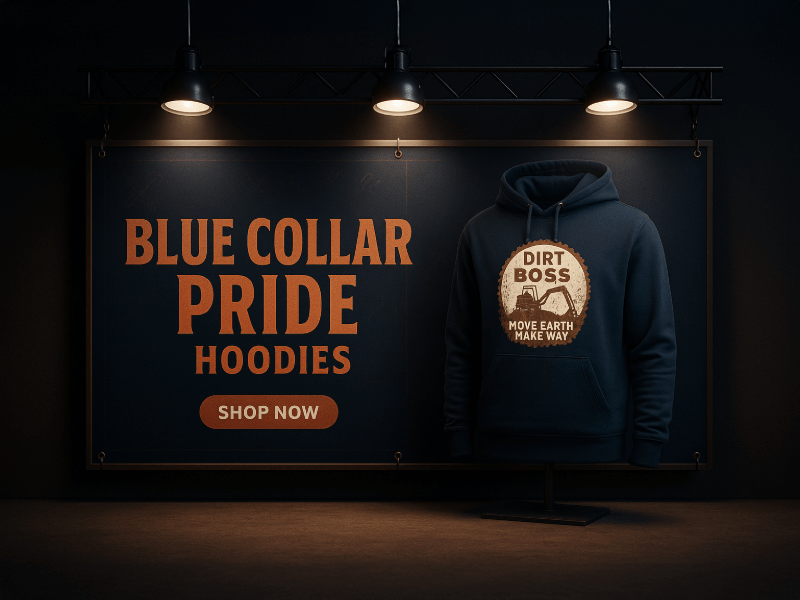
- This movement fuels the 'Blue-Collar Core' aesthetic, emphasizing durable, functional, and niche identity clothing designs.
- Consumers in this demographic prioritize Quality Longevity in their gear, actively seeking apparel built to last 10+ years, aligning with anti-fast fashion values.
- The demand for verified transparency is growing, requiring third-party proof (like GOTS or GRS) that their functional clothes are also sustainably sourced.
The $244 Million Pivot: Defining the Toolbelt Generation
The term 'Toolbelt Generation' encapsulates the major cultural and economic shift identified by recent market studies. Facing escalating student debt and recognizing immediate, high earning potential, Gen Z is increasingly choosing vocational training and skilled trades—such as electrical work, plumbing, and carpentry—over traditional four-year degrees. This strategic pivot is not only redefining career paths but is also driving significant market changes, resulting in a substantial estimated $244 million increase in spending related to trade education and necessary apparel.
Niche Identity: The Rise of Blue-Collar Core Fashion
As young professionals embrace these careers, a corresponding fashion movement has emerged: the 'Blue-Collar Core.' This aesthetic moves beyond simple utility, merging highly functional workwear with personal style and identity. Design Delight Studio recognizes this niche identity, developing collections that honor the heritage of trades while utilizing modern, high-performance, and verified sustainable materials. This trend showcases gear designed for performance but styled for the street.
Quality Longevity: Investing in Durable Gear
For the Toolbelt Generation, clothing is not disposable; it’s an essential tool. The emphasis shifts entirely to Quality Longevity—apparel built not for 10 washes, but for 10 years of demanding use. This focus naturally aligns with core sustainability principles. When a piece of clothing is designed to endure tough working environments, it inherently fights the cycle of fast fashion waste. Look for features like reinforced seams, heavyweight organic fabrics, and ergonomic designs tailored for freedom of movement.
Verified Transparency: Sustainable Tradeswear Standards
The educated consumer of today demands proof, especially when balancing function with environmental responsibility. The push for verified transparency means that claims of durability or sustainability must be backed by third-party certifications. For tradeswear, this translates to utilizing materials like GOTS organic cotton for comfortable, breathable layers or GRS recycled polyester for rugged outerwear. By providing transparent proof, brands meet the ethos of a generation building a better, more sustainable future.







0 comentarios