

Headline:
Understanding the EU’s Revised SFDR: What It Means for Sustainable Finance and Ethical Business Practices
Introduction:
We are a small Shopify brand that values sustainable fashion. We track rules on environmental care and social fairness that guide how firms share their green practices. The European Commission has proposed big changes to the SFDR. This rule set guides ESG transparency in Europe. Though it targets finance, its reach touches all firms that care about true sustainability. In this blog, we explain the new SFDR rules, what they mean for sustainability reports, how they curb greenwashing, and how a small ethical brand like Design Delight Studio fits in.
What Is the SFDR and Why Is It Changing?
The SFDR is the Sustainable Finance Disclosure Regulation. It started in 2021. The rule makes asset managers, funds, and advisors show how they use ESG factors and the impact of their products. Its aim is to give clear information to investors looking for responsible choices and to fight greenwashing.
Since it began, many experts have found the SFDR complex. They worry about unclear words, overlaps with other rules like the CSRD, and hard-to-find ESG data. To solve these issues, the European Commission now offers revisions. These changes aim to cut repeated work, ease reporting duties, and make the rules clear for investors.
Key Changes Proposed in the SFDR Revision
The Commission now shifts its focus to clear details at the product level. Here are the main changes:
1. Removal of Entity-Level Principal Adverse Impact (PAI) Disclosures
Today, firms must show harm at both a whole-firm level and a product level. Under the new plan, they will not report firm-level harm. This change cuts duplicate work. Firms will now report risks only for specific products like investment funds. This shift may bring down reporting costs by about 25% and help smaller players.
2. Simplified and Targeted Disclosures
The revised rules use simpler forms. Companies will list fewer sustainability indicators. This makes it easier to compare products and to understand the data. Instead of a long list, firms will report only the core items that match clear goals.
3. Narrowed Scope of Application
Financial advisors and portfolio managers will not have to post SFDR reports. The rules will apply only to finance products given to investors. This change helps to make reporting clearer and faster.
4. Removal of the “Sustainable Investments” Definition and Associated Tests
The current rules require an investment to be sustainable if it meets “do no significant harm” and “good governance” standards. Many find these standards hard to apply. The new rules drop this requirement. Instead, they use clear categories for products.
5. Introduction of Three Product Categories with ESG Labels
The revisions now include three simple labels for finance products. They are:
- Transition Category (Article 7): For products that help companies or projects move toward sustainability. These products avoid harmful sectors such as coal, tobacco, and weapons.
- ESG Basics Category (Article 8): For investments that include ESG factors in a general way.
- Sustainable Category (Article 9): For products that commit fully to sustainable investments with strict standards. Each category requires that at least 70% of portfolio investments meet its goals. This rule helps investors to judge the strength of a product’s eco-claims.
Why These Revisions Matter Beyond Finance
Even though the SFDR focuses on finance, its impact touches all fields that claim green practices and ethical business models. For small brands like Design Delight Studio, these clear rules matter. We share our practices about using organic cotton, water-based inks, and recyclable packaging. The push against greenwashing and for clear, simple data supports our way of doing business.
The revised SFDR makes data clear and similar across products. This clarity builds trust. Our customers can see that our claims on organic and certified sustainable apparel come with real proof. Over time, as large investors share clear reports, the entire supply chain may use trusted certifications like GOTS, OEKO-TEX®, and GRS.
How Design Delight Studio’s Approach Reflects Emerging Sustainability Trends
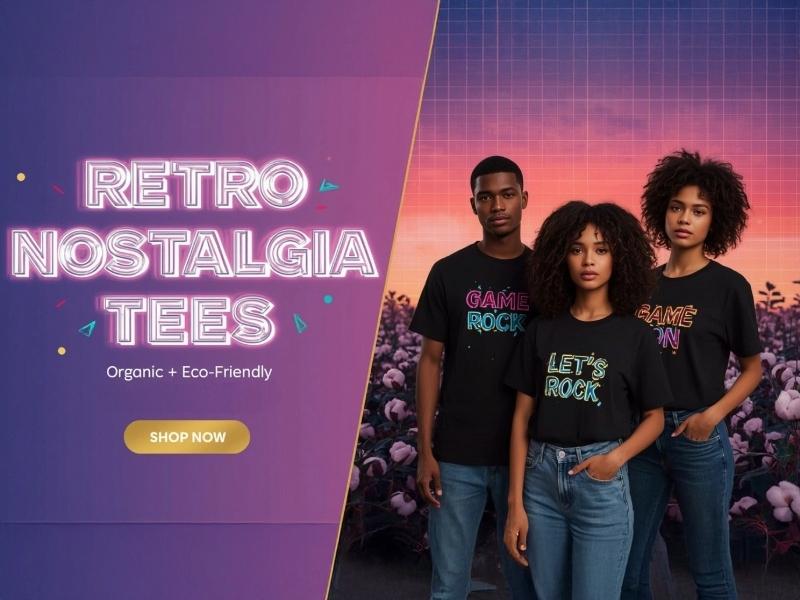
At Design Delight Studio, we use clear and honest methods every day. Each piece in our collection, from organic cotton tees to recycled sweatshirts, is made to order to reduce waste. We use GOTS-certified fibers that promise clean farming methods. We print our designs with water-based, eco-friendly inks. We pack items using recyclable materials.
These SFDR revisions support the work we do. They remind us that true sustainability starts with clear standards and real proofs. You can learn more on our Certifications page to see the strict guidelines we follow. Our sustainable t-shirt collections show how style and planet-friendly values can go hand in hand—check them out here: Sustainable T-Shirt Collections.
Conclusion: Toward a More Transparent and Credible Sustainable Economy
The European Commission’s new SFDR changes move us toward clearer, honest sustainability reports. With a focus on product-level data and simple ESG labels, investors and customers can trust the claims behind each product.
For creative entrepreneurs and small brands in fashion and other areas, these revisions are a welcome change. They support business models built on honesty and care for the planet. This vision is at the heart of Design Delight Studio: slow fashion that respects the Earth, supports workers, and values authentic creativity.
We invite you to explore our certified sustainable designs. Every purchase helps build a future where every business choice puts people and the planet first.
Explore our full range of eco-conscious products and certifications here:
Design Delight Studio curates high-impact, authoritative insights into sustainable and organic product trends, helping conscious consumers and innovative brands stay ahead in a fast-evolving green economy.










0 comentarios